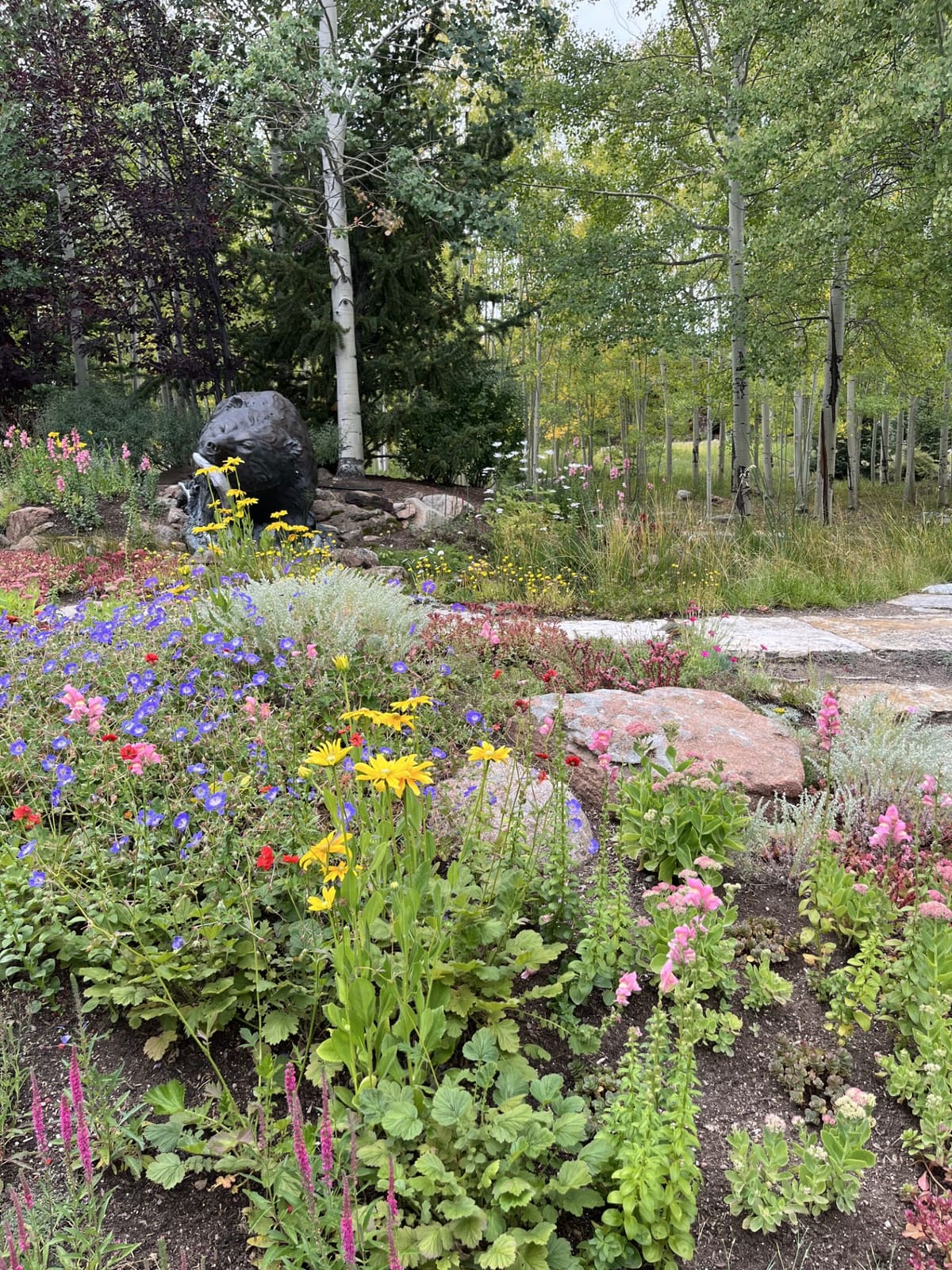
A clear high country morning can turn into a hard hail cell by three in the afternoon. Twenty minutes later the deck is white, the columbine looks chewed, and the lawn has a bruised sheen where ice sat on the blades. Hail is a normal part of summer at elevation, and most yards recover better than they look the hour after a storm. The trick is knowing what needs help, what needs patience, and what needs a real fix.
This post is about hail damage on beds and turf in Summit County and Grand County. It is not a frost story or a dry patio story. Neils Lunceford works on these yards through garden maintenance, lawn care, and plant health care, so we see the same recovery pattern play out every summer.
Wait a day before you judge the damage
Plants droop and darken right after hail because bruised tissue holds water differently for a few hours. A perennial bed that looks flattened at four in the afternoon often stands back up by the next morning. Give the yard a full day before you decide what to cut or replace. Photos help here. Take a few shots the evening of the storm and a few the next morning so you can compare instead of trusting memory.
The worst move is a heavy cleanup while everything is still limp. You end up removing stems that would have recovered and leaves that were still feeding the plant. Slow down, walk the yard once, and let the first day pass.
Read the beds before you reach for the shears
Once a day has passed, look at each plant type instead of the bed as a whole. Torn leaves with the stem intact usually keep growing. Snapped stems near the crown are the ones to trim. Clean cuts just above a node help the plant push new side growth instead of sitting on a ragged break that invites problems.
Tall perennials like delphinium and columbine take the most visible hit at elevation because their stems are hollow and exposed. Groundcovers and low mats often shrug it off. Shrubs lose leaves and look thin but rarely need more than a light shaping once you can tell live wood from broken tips. If several plant types look stressed at once with no single broken branch, that is a plant health question rather than a pruning question, and it is worth a look from our crew.
Turf takes hail differently than beds
Lawns rarely die from hail, but they can look rough for a week. Ice sitting on blades bruises the leaf and leaves a gray or silver cast that greens back up as the grass grows out. The real damage from a summer storm is usually the water that comes with it, not the ice. Standing water in low spots and grit washed across the lawn matter more than the dents.
Hold off on mowing for a few days so you are not cutting bruised, wet grass. When you do mow, keep the deck high. Short season turf at altitude already works hard through hot days and cool nights, and a hail week is the wrong time to scalp it. If a low corner held water and now smells sour or feels spongy, that points to drainage, and our post on afternoon storm build up and fast drainage covers that pattern in more detail.
Check the irrigation and the beds together
A hard storm can shift spray heads, pack grit into nozzles, or knock a riser out of line. After the yard dries, run a short cycle and watch where the water lands. Heads that now spray the walk or a fence instead of the grass are an easy fix that saves you from watering a dry strip by hand for weeks. Our note on turf next to stone patios explains how hot edges and off heads combine to leave a dry stripe, and a storm can make that worse overnight.
While you are out there, clear hail and torn leaves off the crowns of low plants. Debris packed against a crown holds moisture and shades new growth. A light hand rake through the mulch, not a deep dig, is enough.
When to wait and when to replace
Most bruised perennials come back the same season with a trim and steady water. Annuals in pots and flower beds are the exception. A young annual that took direct hail early in the season may not have the root base to push new growth before the short mountain summer runs out. If a container looks shredded to the stems, it is often better to replant than to nurse it for weeks. We handle bed refresh and container work through garden maintenance if you would rather not guess.
Trees and larger shrubs almost never need emergency work after hail. Torn leaves drop, new growth fills in, and the plant moves on. The exception is a young tree with stripped bark on the trunk, which is worth a look from plant health care before you decide anything.
A simple order of operations
Here is the sequence that works for most yards in Silverthorne, Breckenridge, and the Grand County towns after a summer hail cell.
- Day of the storm: photos only, no cleanup.
- Next morning: compare, then trim clearly broken stems.
- Two to three days out: check irrigation, mow high if needed, clear debris off crowns.
- One week out: decide on any replacements once you can see real recovery.
Working in that order keeps you from cutting plants that would have healed and from mowing turf that needed a few days to firm up. It also gives you a clean set of notes if a bigger storm rolls through later in the season.
Hail will keep testing high country yards through late summer. When a storm leaves more than a bruised lawn behind, contact Neils Lunceford with your photos and we will help you sort recovery from replacement. You can also read more about Neils Lunceford and how we handle beds, turf, and irrigation across Summit and Grand County.
Questions about your landscape? Contact Neils Lunceford