On a dry mountain summer, a slope in Breckenridge or Frisco can feel dry a couple inches down on the ridge by midday while a low spot stays soft from leftover spray or shade. Brown patches on the upper lawn and fungus worries in the lows on the same property usually come from grade, sun, and watering that never matched the ridges, not a missing bag of fertilizer from the store.
Neils Lunceford sees this often during landscape maintenance visits across Summit and Grand County. What your lawn needs from irrigation and lawn care shifts week to week as hot afternoons and cold nights stack on thin soils. Water only earns its keep when it hits the ridges that actually dry out.
Upper slopes dry while lows stay soft
Photograph pale edges and compare the same areas two dry days later. If the upper lawn lightens while low spots stay dark and soft, you are usually looking at drainage, shade, and overspray, not insects or disease. Wind and thin soils speed that split once summer heat arrives.
Before you add run time on every zone, read our guide on water conservation through proper irrigation practices. Dry summers are a common time to overwater low areas that are already soft while ridges stay thirsty.
Grade changes from snowmelt and construction
Winter snowmelt and spring construction can shift how water moves across your lot. Downspouts that dump against turf, or grade that sends leftover spray into the same low band every cycle, keep shade pockets soft while open turf burns on hot, windy days.
Fix grading and downspout discharge before you treat fungus in areas that stay constantly wet under trees. Silverthorne lake lots with mixed fill and native soil often need different answers on the same address.
Reset watering by zone, not the whole system
Timers tuned in a cooler spring may still soak low areas once hot afternoons arrive. Fix the ridge zone first, wait two days, then decide whether the next zone needs a change. Soils dry fast up here and wind pulls spray off target, so turning up every zone usually makes the soft corner worse.
If a rental sitter inherited the timer mid season, pair your notes with irrigation startup in the high country and rental turnover on elevation yards.
Mowing and traffic on soft soil
Wait for firm footing before mowing soft side yards after heavy spray or shade wetness. Ruts in soft fill soil pack quickly, especially on paths rental guests use to hot tubs, docks, or ski storage.
Heavy foot traffic during turnover week on packed soil often shows up right when open ridges are already stressed. Aeration and watering fixes work better once the ground firms up.
Lawn recovery without panic products
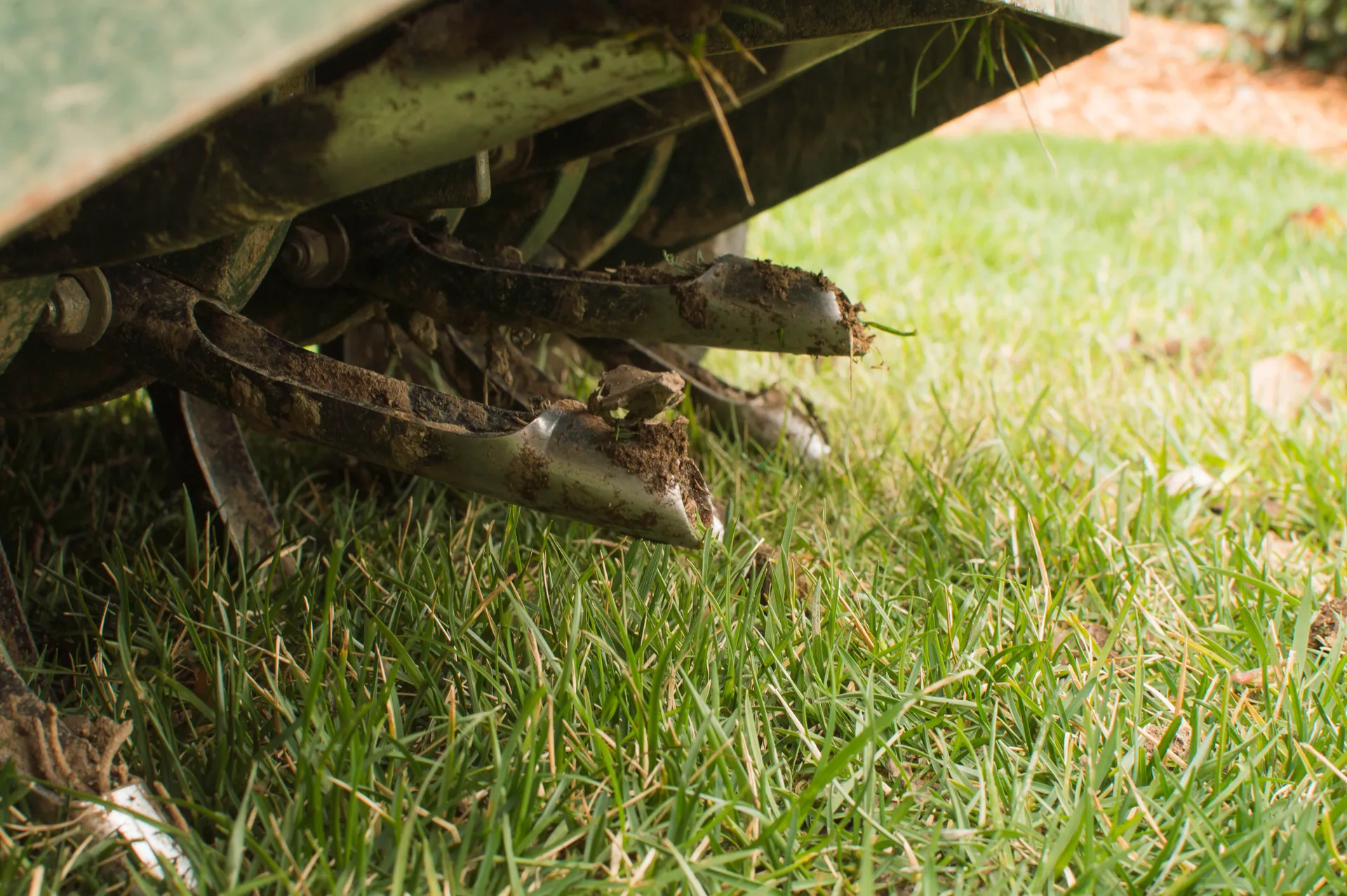
Soil that was dry yesterday and soft today does not respond well to a stack of store products copied from lower-elevation advice. Steady lawn care, proper mowing height, aeration when it makes sense, and feeding matched to the season usually beat a rushed fix around nine thousand feet.
Feed and seed timing up here differs from lower-altitude calendars. Match your plan to the short growing season and dry summer you actually have.
What to bring when you call
Wide shots of upper dry areas and lower soft spots, plus notes on where downspouts discharge, help our crew plan visits.
Contact Neils Lunceford with photos and guest arrival plans when drainage, irrigation, and lawn care need to work together on one slope. A calm visit with photos beats three rushed fixes the same weekend.
Questions about your landscape? Contact Neils Lunceford