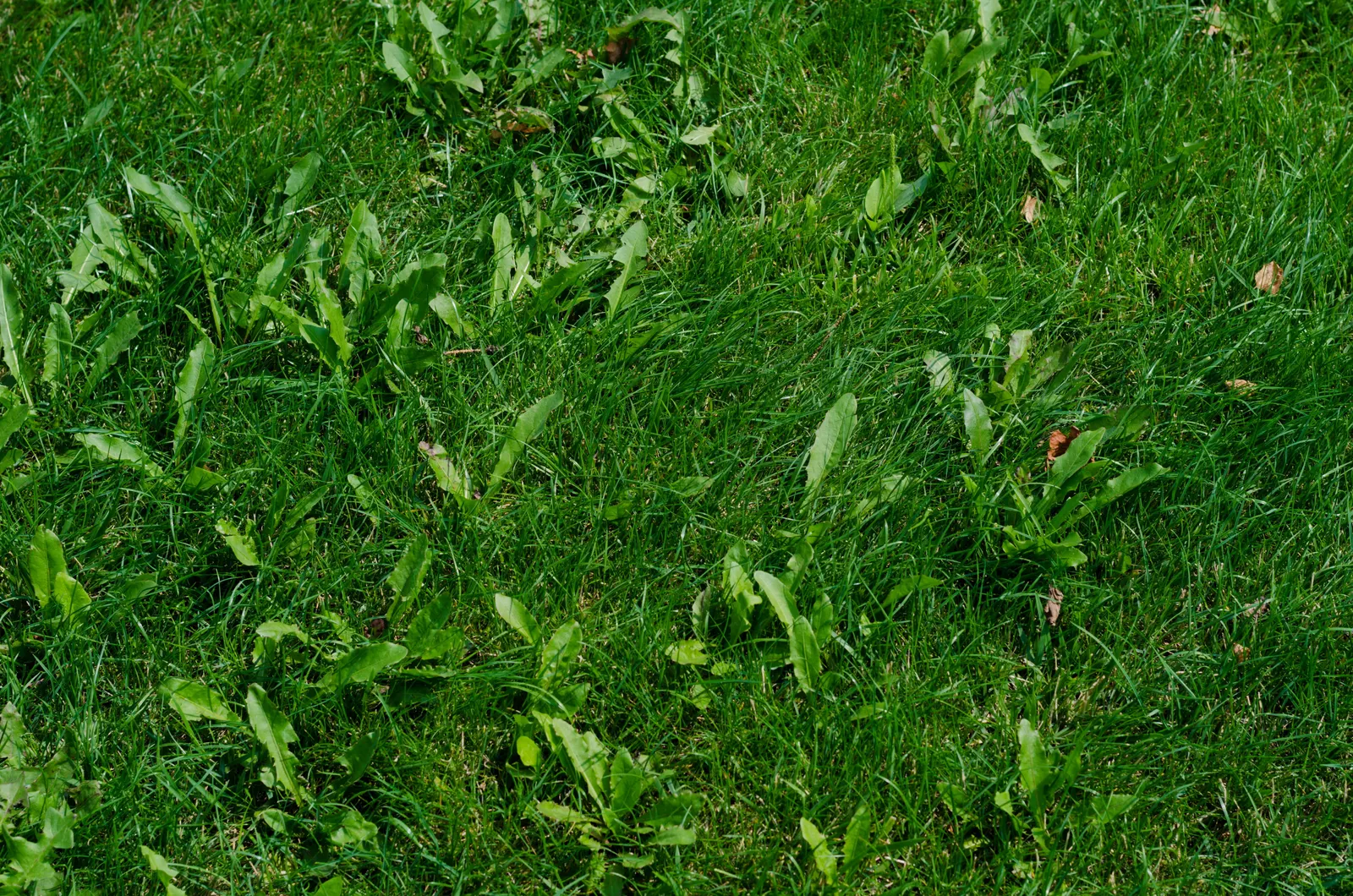
Lots in Grand Lake often put deep shade and sunny strips on the same property, sometimes on the same sprinkler valve. Lodgepole and aspen keep some spots cool and damp after watering while driveway and cabin edges bake by midafternoon. Thin soil over rock dries fast on high spots and stays wet in low spots a few steps away. Deer chew hedges along the tree line while lawn fertilizer alone will not fix that.
Neils Lunceford handles Grand County yards with irrigation, lawn care, plant health care, and landscape maintenance. This guide is for Grand Lake lots that sit against the trees. It is not a Frisco lake-wind checklist.
Shade and sun on the same valve
Walk the yard after a normal watering cycle and again the next afternoon. Shade under the trees often still feels wet while the sunny strip by the cabin or parking pad is dry a couple inches down. One valve watering both sides forces a bad trade: enough for the sun floods the shade, or a shade-friendly setting leaves the sunny strip dry on hot days.
Split zones when you can. If you cannot, hand-water the sunny strip and shorten shade time instead of turning up the whole system. Aim the heads so water hits the grass that needs it.
Sketch where the shade falls at the hottest part of the day. That line moves as summer goes on, so a schedule that worked in June can miss a strip later. Check again when furniture or firewood piles block the heads.
Thin soil on cabin lots
Many cabin lots have thin soil over rock. Ridges dry fast in afternoon sun. Low spots near trees stay soft from shade and overspray. Check soil before you treat every brown patch as thirst or every soft spot as a broken pipe.
Check sunny high spots and shaded low spots the same morning. If high spots are dry and low spots are wet, adding minutes everywhere makes the shade worse and still misses the ridge. Spot watering and simple grade notes beat one big timer bump.
Granby lots against the trees show the same pattern. A simple zone sketch beats memory when sitters or guests inherit the timer.
Timer habits that fight the lot
Timers set like an open flat lawn do not fit a wooded lot. Group valves by sun when you can: sunny strips together, deep shade together, beds separate from grass when possible.
Run one mixed valve alone at dusk. Watch for mist in the trees, spray that never reaches sunny grass, and water puddling near tree trunks. Note furniture, bikes, and wood piles that block spray. Fix aim and blockage before you rewrite the whole program.
Turf beside stone in Summit County is a different problem. See turf next to stone patios when patio heat is the main issue, not tree shade.
Deer along the tree line
Forest edges bring deer chew on hedges, shrubs, and young trees while the lawn still looks fine from the road. Chewed tips are not a fertilizer problem. The border needs different care than the open lawn.
Read deer browse on high country hedges when chew shows up beside paths guests use at night. Plant care fits when several woody plants look off without one obvious broken branch. Photos catch hedge damage early.
Protect new plantings and bring browse notes with your irrigation photos when you call. A visit that only looks at grass misses half the lot.
Mowing and weeds
Grass under trees grows slower and stays softer. Sunny strips grow in bursts and show stress first on hot days. Keep a steady mowing height and sharp blades. Do not scalp the shade to match the sunny strip for photos. That invites weeds and thin grass.
Weeds often take the sunny dry strip and the packed path to the cabin door first. Fix watering and foot traffic before you stack products. Lawn care in Grand Lake works best when shade and sun are already watered differently.
Keep mower height a bit higher when cool nights still slow new growth. Mountain bluegrass does not bounce back from hard cuts the way lower lawns sometimes do.
Beds and cleanup near the trees
Mulch, edging, and bed depth along the forest edge affect how heads spray and where leftover water goes. Mulch blown into the lawn often means heads and bed lines do not line up. Volunteers from the forest edge creep into beds faster than weekend pulling can keep up.
Maintenance visits can handle bed lines, weeds, and a sprinkler check together. Mention guest dates and cabin access so someone can walk the shade line with the tech.
Working with Neils Lunceford
Bring morning and afternoon photos of shade strips, sunny bands, and any deer chew. Note which valve waters mixed sun and shade. List furniture, bike racks, and wood piles that sit on the grass in peak summer.
Contact Neils Lunceford when one schedule soaks one half of the yard and starves the other, or when deer and dry stress hit the same weekend. Browse about Neils Lunceford for how we coordinate irrigation, lawn, and plant care.
If a busy week stacks guests and patio gear while the timer still assumes an empty house, take the busy summer week quiz. It helps you choose sprinklers, lawn, maintenance, or plant care first.
Watering at Grand Lake works better when you treat shade and sun as different jobs. Adjust valves for each, mow for mixed growth, and call us when the same schedule keeps failing both sides of the yard.
Questions about your landscape? Contact Neils Lunceford