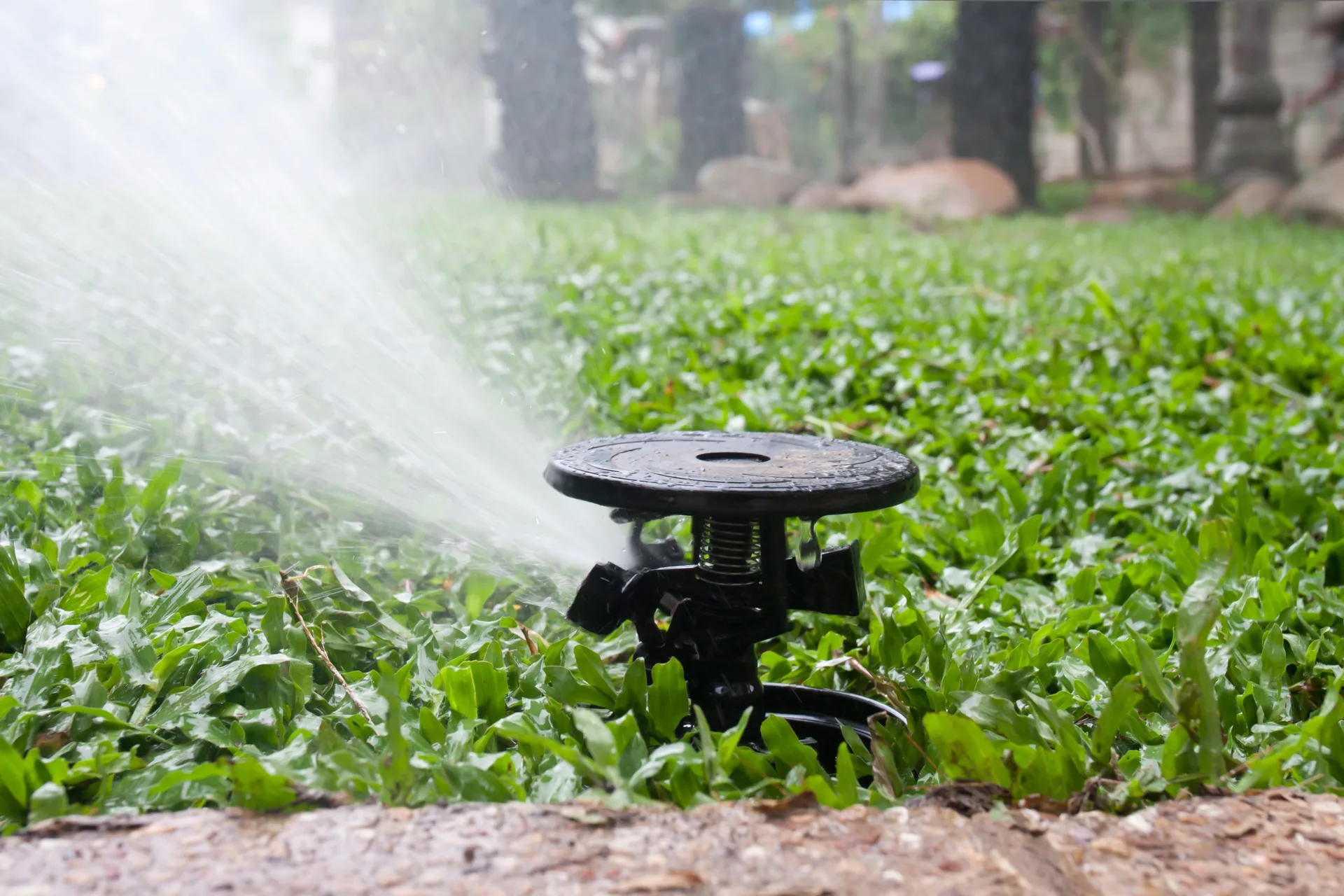
Busy summer weeks in the mountains often stack guests, bikes, and patio furniture on the same lawn the sprinklers still treat like an empty house. Hot days and cool nights already make short-season grass work harder. One corner can look fine in photos while a dry strip by the patio, a worn path to the dock, or chewed hedges along the trees need attention.
This quiz helps you pick a starting point. Read each question, pick the letter that fits best, count your A, B, C, and D answers, then jump to the matching section. It does not replace a visit from our crew. It just helps you talk about irrigation, lawn care, garden maintenance, or plant health care first.
Also helpful: turf next to stone patios and watering tips for Grand Lake lots in the trees.
How to answer
Choose what would look worst if the house stayed full through a hot weekend. If two answers feel true, pick the one that would bother you most in a photo tomorrow morning.
If your answers tie, take a few photos and contact us. One visit with photos beats buying four different products.
Questions
1. What would show up first if the house stayed full through a hot weekend?
- A Dry grass beside the patio, misting heads, or spray blocked by furniture and bikes
- B Thin grass where guests cut corners, park chairs, or drag coolers
- C Messy beds, edging, or patio clutter in arrival photos
- D Several shrubs or trees looking thin or off-color with no single broken branch
2. If you could fix one thing before the next busy stretch, what would it be?
- A Even watering without spray on siding, walks, or patio gear
- B Thicker green along the driveway view and the path everyone uses
- C Cleaner bed lines and less clutter where guests hang out
- D Healthier looking shrubs and trees without guessing on fertilizer
3. What went wrong after the last full house week?
- A High water use, soggy shade, or zones that never matched the hot patio edge and open lawn
- B Thin grass after chairs, bikes, and foot traffic on the same strips
- C Weeds in beds faster than you could keep up between guest groups
- D Pale leaves or early drop on more than one plant type
4. What would you rather not find the morning guests walk the yard?
- A A leak, heads spraying the walk all night, or a timer still set for an empty house
- B Bare dirt stripes where everyone cuts from parking to the patio
- C Mulch blown into the lawn because heads and beds do not line up
- D Deer chew on privacy plants that show up in photos before the grass does
Results
Mostly A
Start with sprinklers. Make sure water hits the grass that actually dries out. See water conservation tips. Contact us with photos of heads, the timer screen, and anything sitting on the lawn that blocks spray.
Mostly B
Start with lawn care. Mention guest paths, chair spots, and hot walls when you call. Wear and compaction often show before the middle of the lawn looks bad.
Mostly C
Start with garden maintenance. Ask how cleanup can line up with a sprinkler check. Bed lines and patio staging matter when arrival photos drive the week.
Mostly D
Start with plant health. Read deer browse on high country hedges and ask us to look at the whole yard, especially lots that back up to trees.
Tied answers
Write a short list, take morning and afternoon photos, then contact us. Say whether this week is a full house or a quiet stretch.
After the quiz
Fix watering before you fertilize dry grass. Fix traffic and mowing before you treat every thin strip like a chemical problem. Clean up beds when photos matter as much as color. Look at shrubs and trees when several plants look off without one broken branch.
Keep dated photos. They help more than memory when the same spot returns during the next busy week in Silverthorne or Grand Lake.
If a mostly B result still shows pale grass by pavement, check soil before you buy fertilizer. If a mostly A result still leaves soggy shade after you added time for a sunny patio strip, that zone may need a real look instead of turning up the whole system.
Contact Neils Lunceford when you want help. Browse about Neils Lunceford for how we handle irrigation, lawn, maintenance, and plant care in Summit and Grand County.
Questions about your landscape? Contact Neils Lunceford