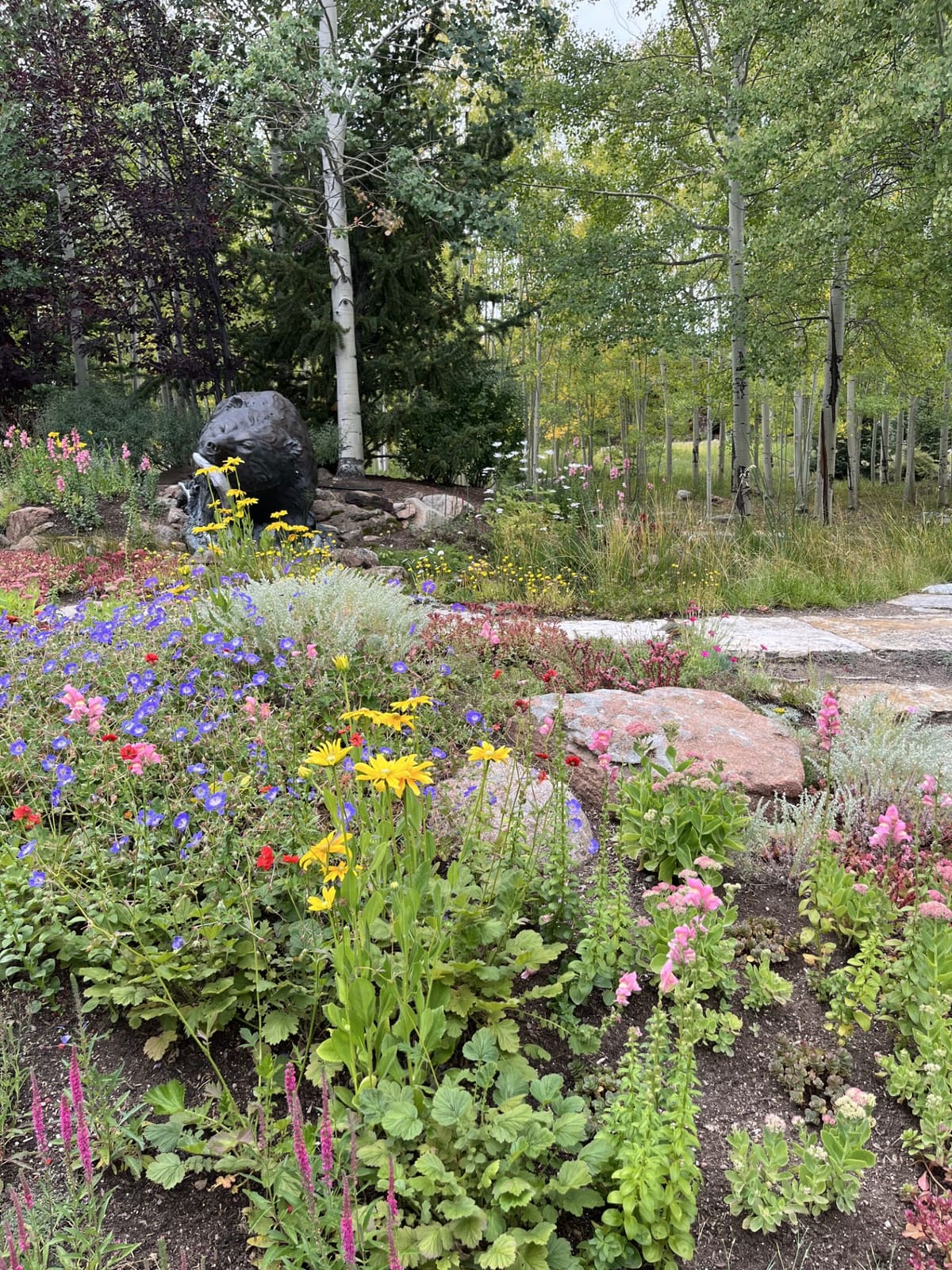
Mountain landscape beds and turf under hazy summer skies in Summit County

Wildfire Smoke Haze and Plant Health Reads on Summit County Turf

Wildfire smoke haze filters light and stresses elevation turf while guests still expect patio color. Decision framing for irrigation, mowing, and Neils Lunceford plant health before you chase the wrong fix.

Call (970) 468-0340

Wildfire smoke haze across Summit and Grand County changes how elevation lawns read color even when irrigation and heat stories stayed stable the week before. Turf can look dull, silver, or paused while controllers still run the same curves guests tolerated at lower altitude. This is not always drought. It is filtered light, particulate film on leaf surfaces, and stress stacked on cool season panels that already fought frost pockets and afternoon sun on the same lot.

This piece is decision framing when haze competes with guest calendars, not monsoon drainage in afternoon monsoon build-up and fast drainage reads or frost versus sun in Summit County frost nights versus afternoon sun on elevation lawns. Keep irrigation startup in the high country beside this read when hydraulic basics still need verification.

Haze symptoms versus thirst on elevation turf

Smoke haze dulls color uniformly on open panels while drought stress usually follows shade lines, berms, and sprinkler overlap. Compare trouble only to similar exposure on your own lot in Breckenridge and Frisco. If every zone looks equally matte after a haze day but recovers after rain or one honest soak on a sunny reference strip, pause before you rewrite every zone from panic.

Probe soil before you treat silver grass as thirst. Footprints that stay visible on tired turf often mean compaction or shallow water, not automatically smoke injury. Pair reads with gate path wear and compaction on high country lawns when wear and haze overlap on the same guest path.

Walk the lot at breakfast and mid afternoon once a week while haze persists. Photos from both times shorten the first contact conversation more than a single front yard shot.

Irrigation honesty when haze hides evaporation cues

Filtered sun can reduce evaporation on some afternoons while wind still pulls moisture from leaf tips on open berms. Controllers written for clear sky weeks may overwater shade swales while open panels still fold. Adjust one exposure class, wait forty eight hours, read the stressed strip, then touch the next zone.

Rain sensors and skip days still matter when monsoon bursts arrive between haze blocks. Read water conservation through proper irrigation practices for depth language while you edit curves. Book irrigation services when overlap or pressure issues persist after smoke weeks clear.

Mowing and guest calendars under haze stress

Do not scalp for one arrival photo when crowns already fight filtered light and compression on dog loops. Raise the deck until color and density catch up on cold soil strips, then adjust as roots deepen. Steady mowing through lawn care programs beats reactive cuts before guests judge elevation yards from the drive.

Edging along gravel drives and parkways still shapes photos before center turf does. Pair edging with garden maintenance when beds share the guest frame with dull turf that may recover when air clears.

Woody plants and plant health when several species dull at once

When turf, hedges, and ornamental trees look off together after haze events, plant health care may explain film, nutrition, or pest pressure better than another irrigation bump alone. Chew lines from deer browse on high country hedges still matter when smoke stress and browsing overlap on the same wood.

Formal pruning belongs in realistic seasons, not in one heroic cut before guests arrive. Mention canopy changes when you call so garden maintenance and lawn visits do not fight the same Saturday.

Programs and patience when air quality shifts weekly

If several issues shouted at once, the outdoor season readiness quiz for Summit and Grand County suggests a first lane among services we list. Read rental turnover and guest calendars on elevation yards when turnover stacks with haze weeks.

Trust coverage and compaction fixes first, then feeding on rhythm through lawn care when history supports nutrition after air clears. Throwing seed on dry wedges without fixing heads still buys a thin moment and a midsummer redo at altitude.

Air quality shifts and realistic guest expectations

Haze blocks can lift for a day then return without warning, which tempts owners to rewrite irrigation from a single dull afternoon photo. Wait for one clear air day before you treat uniform matte color as permanent thirst on every zone. Compare recovery on an open berm reference strip after rain or one honest soak before you stack fertilizer on dry wedges that may simply need filtered light to pass.

Guest calendars still stack on the same dog loops and patio returns when air quality shifts weekly. Read Memorial long weekends and elevation yards when wear and haze overlap on paths guests cross before they judge center turf from the drive.

Nursery and bed frames guests notice first

Foundation beds and entry pots read before center lawn color does on tight Keystone lots. When several woody plants dull at once, garden nursery and custom flower pots conversations help reset frames while turf catches up after haze clears. Pair bed work with design scope when long term plant choices should respect altitude and guest sight lines instead of repeated cosmetic rescue every turnover weekend.

Formal pruning belongs in realistic seasons, not in one heroic cut before guests arrive. Mention canopy changes when you call so garden maintenance and lawn visits do not fight the same Saturday on properties we maintain across Copper Mountain and Blue River.

Rental turnover when haze and guest weeks overlap

Turnover weekends stack on the same dog loops and patio returns when air quality shifts weekly. Read rental turnover and guest calendars on elevation yards when presentation pressure competes with dull turf that may recover when haze clears.

Trust coverage and compaction fixes first, then feeding on rhythm when history supports nutrition after air clears instead of panic water on every zone from a single matte afternoon photo.

What to photograph before routes tighten

Wide shots of dull panels, berms, wet corners, and bed edges plus notes on haze days and guest dates save guesswork. Bring that packet when you contact us across Silverthorne and Granby.

Wildfire smoke haze and plant health reads on Summit County turf reward patience: label haze versus thirst, keep mowing height steady, and line up professional visits with patterns that repeat instead of chasing color with panic water while guests watch the same patio every evening.

Questions about your landscape? Contact Neils Lunceford

Call (970) 468-0340