Late April along the high country spine is when calendars argue with thermometers. A seventy-degree afternoon makes homeowners reach for the irrigation app while the same night still threatens a hard freeze in low pockets. Starting too early risks cracked poly and popped heads. Starting too late stresses turf that already woke under intense UV. The right window is not a single date on a Front Range chart; it is a mix of soil firmness, equipment type, and forecast trends on your specific lot in Breckenridge, Frisco, or Granby.
Valve boxes, backflow, and what melt left behind
Begin with a walk of the valve manifold and backflow area. Look for animal nests, heaved fittings, and gravel that washed over boxes during melt. Open boxes gently and let mud dry before you torque fittings. If you hear hissing when the main opens, stop and call for help instead of forcing wrenches on brittle threads.
Many communities expect annual backflow tests. If your letter arrives in April, stack the appointment near startup so you are not pressurizing the system twice for related tasks. Swap controller backup batteries before you lose programs to a blink outage during spring storms. Note any new landscape lighting trenches or fence posts that might have shifted buried lines over winter; mention them when you use contact for professional startup through our irrigation services page.
Zone-by-zone habits on warm midday only
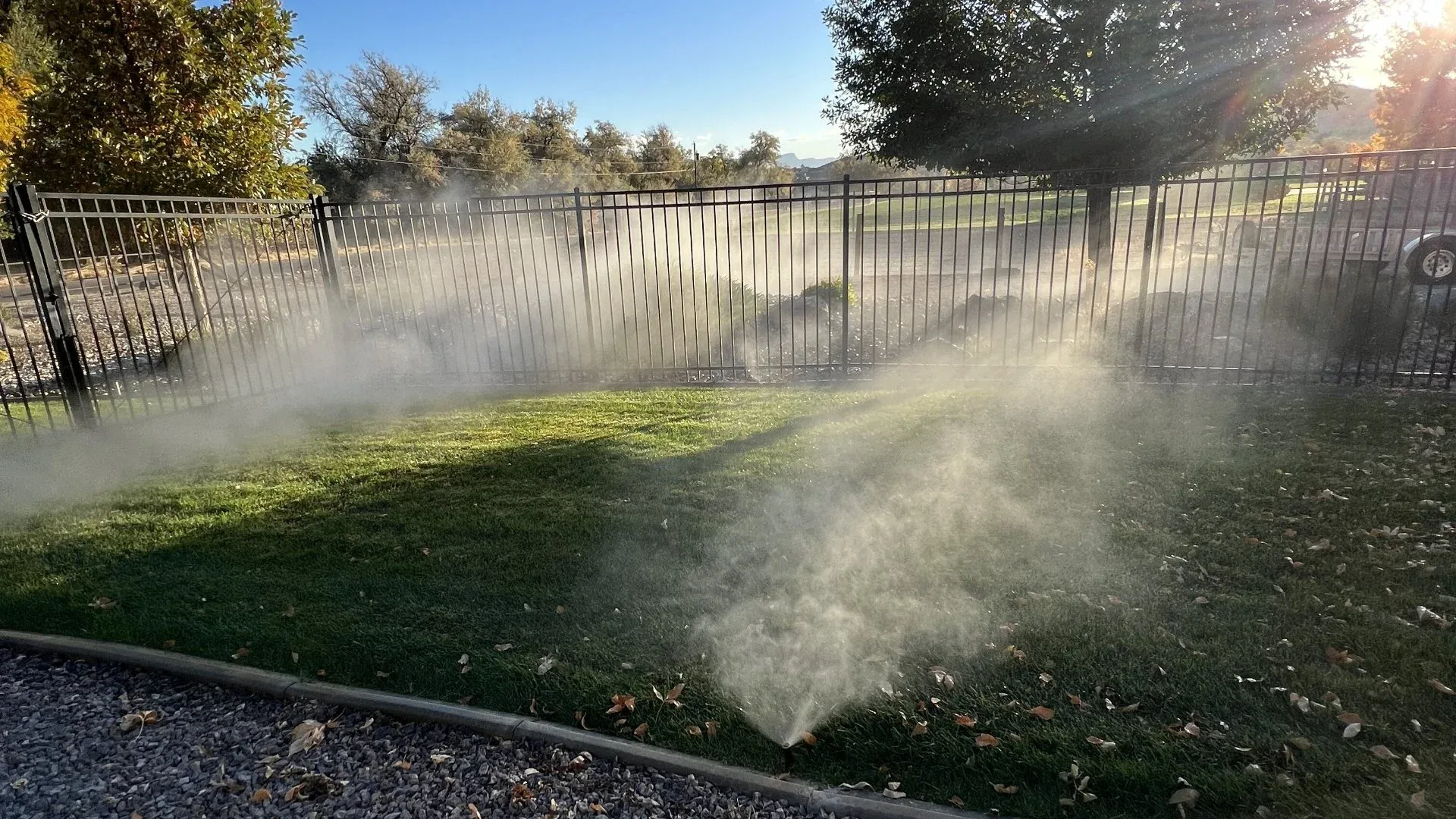
Run zones one at a time on a warm midday only after you confirm manufacturer guidance for your equipment and local forecast trends. Watch for misting that signals pressure problems, and watch for spray hitting still-cold pavement where ice can form overnight. Document each head that throws into the street; many Front Range habits still apply at elevation even when snow is recent memory.
Turf strips beside reflective walls dry fastest. Beds on north faces stay wet longest. Split your mental map before you split minutes on the clock. Our article on water conservation through proper irrigation practices still applies to scheduling philosophy even when your season is shorter. Avoid daily light spritzing that trains shallow roots; deeper, less frequent cycles matched to soil intake usually survive wind better at altitude.
Soil temperature and frost pockets on the same property
Probe soil a few inches down before you treat silver turf as thirst. South walls and pavement heat can fool your eyes while roots still sit in cold soil. Low spots and north faces may stay pale an extra week; that is not always a broken zone. Compare similar exposure on your own lot instead of comparing your shady corner to a neighbor’s full-sun strip.
If melt left persistent wet corners, grade may be sending water where heads never will fix it. April snowmelt grading notes for Summit and Grand County help explain soggy beds that are not a simple call for more runtime. When several issues shout at once, May late spring yard signal quiz can suggest whether irrigation, lawn, beds, or woody plant health should lead the conversation.
Coordinating beds, turf, and plant health
When you want professional eyes, mention elevation, valve style, and any changes made after last season’s repairs. We can point you toward garden maintenance if beds need the same April sequencing as turf—mulch depth, weed pressure, and head clearance all change how water behaves on the first hot week.
Chew lines on foundation shrubs change how you should water new growth. April deer browse on high country hedges pairs with startup timing so you are not soaking stressed wood nightly. Plant health care visits can overlap with irrigation checks when several woody plants look off without one obvious broken branch.
Lawn programs and traffic paths still forming
Thin strips along driveways and dog paths often show up before irrigation is fully trusted. Lawn care programs respect those microclimates better when you share photos of dry wedges versus worn crowns. Memorial weekend feels distant in late April, yet irrigation calendars fill by late May at altitude. Notes you take now turn into June calm when you share them at booking.
Hand watering with a hose is fine for small rescue spots if you shut bibs off nightly. Forgotten open bibs freeze pipes that were fine all winter. Pull driveway stakes before first big mow so blades and edgers stay safe.
Hiring help, neighbors, and shared systems
If you share a well or ditch, align heavy water days with neighbors so pumps and pressure stay stable. Early season work sometimes starts earlier in the day than midsummer because temperatures stay safer for crews. Tell neighbors when visits are planned so dogs and gates stay predictable.
Our landscape design and landscape construction teams enter the story when zones are permanently mixed—thirsty annuals on the same valve as dry natives force compromise schedules that waste water every July. Separating valves is often the largest gain per dollar for water saving irrigation on renovated beds.
Records, budgets, and the May handoff
Keep a simple album of controller screens, odd heads, and misting zones. Future you will thank present you when pressure drops in August and you can scroll dated photos instead of guessing what changed. Spread repairs across weeks so blowout fixes, head replacements, and lawn care visits do not collide on one Saturday.
Patience with startup protects both pipes and grass. Write notes, photograph heads that throw wrong, and schedule help before June demand fills every calendar. As nights stabilize toward June, read May to June handoff when frost nights still visit for how May minutes should differ from July memory.
When guests and holiday traffic arrive, May memorial long weekends and elevation yards explains how to align irrigation trust with wear on the same paths you just opened for spring. Reach out through contact with elevation, valve style, and photos; startup at altitude rewards evidence over appetite on the first warm afternoon.
Filter screens, rotors, and heads buried by spring growth
Pop-up heads and rotors buried by spring growth throw short or create mist when pressure rises. Clear debris before you blame the clock. Filter screens on valves and heads clog with grit after melt; a few minutes at the manifold prevents chasing dry wedges all summer. Note any head that never fully seats; worn seals weep all season and show up first as a soggy spot, not as an obvious geyser.
Rotors on slopes need arc and radius checked every spring. A head that throws uphill may look fine from the street while the lower third of the zone stays dry. Split mental maps by exposure before you split run times. If a bed was renovated last year, confirm new plant heights will not block spray by July when perennials fill in—that check belongs in late April notes, not in an August emergency call.
Snow removal history and grade that changed winter flow
If plow piles sat against the house or along the parkway all winter, grade may have shifted enough to change where water sits after startup. Mention that history when you book so technicians are not tuning zones against a slope that melt already altered. Snow removal routes and stacking habits are part of the irrigation story on many Summit and Grand County driveways, not a separate winter memory.
Wildfire prep and defensible space sometimes remove low branches that used to shade valves or heads. More sun on a box can warm fittings faster on hot afternoons; note canopy work when you share photos. The same April walk that catches a clogged culvert often catches a head spraying the foundation—both belong in one album before Memorial traffic arrives.
Questions about your landscape? Contact Neils Lunceford