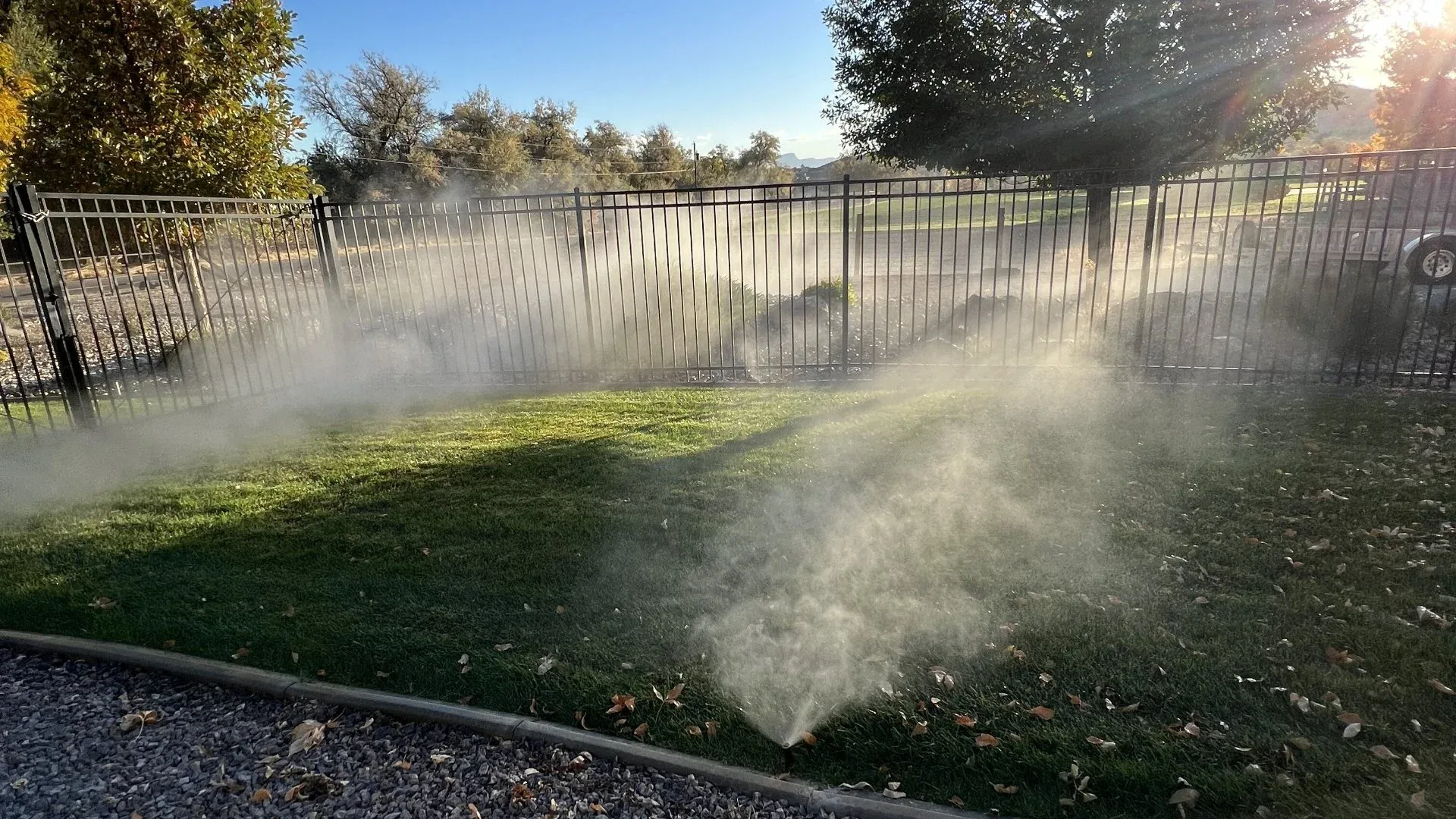
Late May in the high country is when one side of the house still holds frost pockets while the other side already looks like July. Guests ask about brown strips, and you realize the calendar added traffic before the irrigation story finished sorting itself out.
In Breckenridge, Silverthorne, and Granby, the growing season is short enough that a wrong first fix in May often becomes a July redo—seed on dry wedges, fertilizer on cold soil, or bed rearrangement while heads still throw on siding.
This page is a paper-style quiz: read each question, pick the letter that fits best, tally how many A, B, C, and D answers you recorded, then scroll to the matching outcome block.
Nothing here replaces a walkthrough. It lines up how Neils Lunceford groups work across irrigation, lawn care, garden maintenance, and plant health care. For holiday wear context, read May memorial long weekends and elevation yards. For an interactive version, open May memorial yard priority quiz.
How to take the quiz honestly at elevation
Pick answers for what would fail first under real conditions on your lot—not what sounded urgent online from a lower elevation. If two letters feel true, choose the one that would look worst in a driveway photo tomorrow morning.
Ties are common where frost pockets, wind, reflected heat, and dog paths share one address. A tied tally usually means you need one walkthrough with photos rather than four separate impulse buys.
Keep morning and afternoon photos for any strip you are unsure about. South walls and pavement can silver turf by lunch while soil stays cool below. Soggy corners that return after light rain often point to grade—see April snowmelt grading notes for Summit and Grand County.
Questions
1. What would embarrass you first if a neighbor walked the driveway tomorrow?
- A Dry wedges, misting heads, or a controller still set like last July
- B Weeds, pale color, or thin turf along hot walls and dog paths
- C Beds, ivy, or edging that read messy in photos
- D Several woody plants look thin or off-color without one obvious broken branch
2. If you could fix one outcome before guests arrive, what would it be?
- A Even water on turf without spray on siding or walks
- B Thicker green along the view from the driveway
- C Crisp bed lines and less ivy on brick before photos
- D Healthier-looking woody plants without guessing fertilizer on your own
3. What failed you most last season?
- A High water bills, soggy corners, or zones that never matched slope
- B Thin grass after traffic or weeds that won the parkway
- C Weeds in beds faster than weekend pulling could keep up
- D Pale crowns or early leaf drop spread across more than one species
Outcomes
If you recorded mostly A answers
Start with irrigation. Coverage and honest schedules usually come before cosmetic turf rescue. Read our irrigation page, then pair it with late April irrigation startup in the high country and water conservation through proper irrigation practices. Use contact with photos of heads, controller screens, and any trenches that might have shifted buried lines over winter.
If you recorded mostly B answers
Start with lawn care. Color and density respond to programs instead of single heroic passes. Browse lawn care, then mention traffic paths and south walls when you call. If irrigation is still untrusted, fix obvious dry wedges before heavy feeding on cold soil.
If you recorded mostly C answers
Start with garden maintenance. Beds and ivy often carry the photo story before grass does. See garden maintenance and ask how cleanup visits can align with irrigation checks. Custom flower pots can add patio color without waiting on full turf recovery.
If you recorded mostly D answers
Start with plant health care. When several woody plants look off at once, soil, pests, nutrition, and winter desiccation can overlap. Read plant health care and April deer browse on high country hedges. Invite a property-wide look instead of treating each symptom separately.
If your tally tied across letters
Write a short list, take morning and afternoon photos, then use contact so one walkthrough can settle what to do first. As June nears with nights still cold, read May to June handoff when frost nights still visit.
After the quiz: sequencing the rest of the season
A single quiz result is the first lane, not the only lane for the year. Irrigation fixes often unlock lawn programs; bed cleanup and head clearance belong in the same week when possible.
Visit our garden nursery for replacements that match exposure. Keep dated photos in a simple album—they beat memory when an odd spot returns in August.
Late May at elevation rewards patience and evidence: water and grade first, then wear and color, then woody plants when several still look off without one obvious broken branch.
Questions about your landscape? Contact Neils Lunceford