April at elevation is a trust exercise between sun and shade. Snowbanks retreat from south walls first while north beds stay icy another week. Homeowners in Breckenridge and Silverthorne often discover gravel paths that shifted, gutters that dumped against foundations all winter, and lawn strips that stayed white long after the calendar said spring. None of that means your yard failed. It means snowmelt is teaching you where water actually moves before you commit to cultivation, seed, or a full irrigation season.
Walking the lot while the ground still talks
Walk the property once with boots you do not mind getting muddy. Mark puddles that return after an ordinary rain, not only after a historic dump. Compare those spots to downspouts, driveway pitch, and places plows stacked ice against beds. Photos in morning light help you describe patterns when you contact our team about grading, irrigation, or lawn work later in the season.
Soil that squelches for days is not ready for aggressive cultivation or heavy wheel traffic. Wait until a handful crumbles instead of smearing. That patience protects crowns on cool-season lawns and keeps compaction from stacking on the same path you will mow all summer. If you are unsure whether a corner is truly wet or only slow to drain, poke the same spot after a dry spell. Persistent moisture usually points to grade, not to a single bad sprinkler head.
How melt exposes grade you could not see under snow
Driveway culverts and gravel edges often tell the story first. Melt exposes culvert mouths clogged with gravel pushed by plows. Clearing them now reduces sheet flow across the lawn you just opened for sun. Notice where ice sat against the foundation for months; that band may have compacted soil or washed fines into beds. Downspouts that discharged onto frozen ground all winter may have carved a channel that will redirect summer storms unless you reset splash blocks or extend runs before guests arrive.
If summer parking will move onto grass edges, mention compaction when you discuss visits. Sometimes a few feet of stone expansion saves months of thin turf repair. Service routes through Summit and Grand counties reward homeowners who document melt patterns early. Mention gate ruts, dog paths, and any new construction upslope that might have changed runoff this year.
Irrigation restraint while nights still freeze
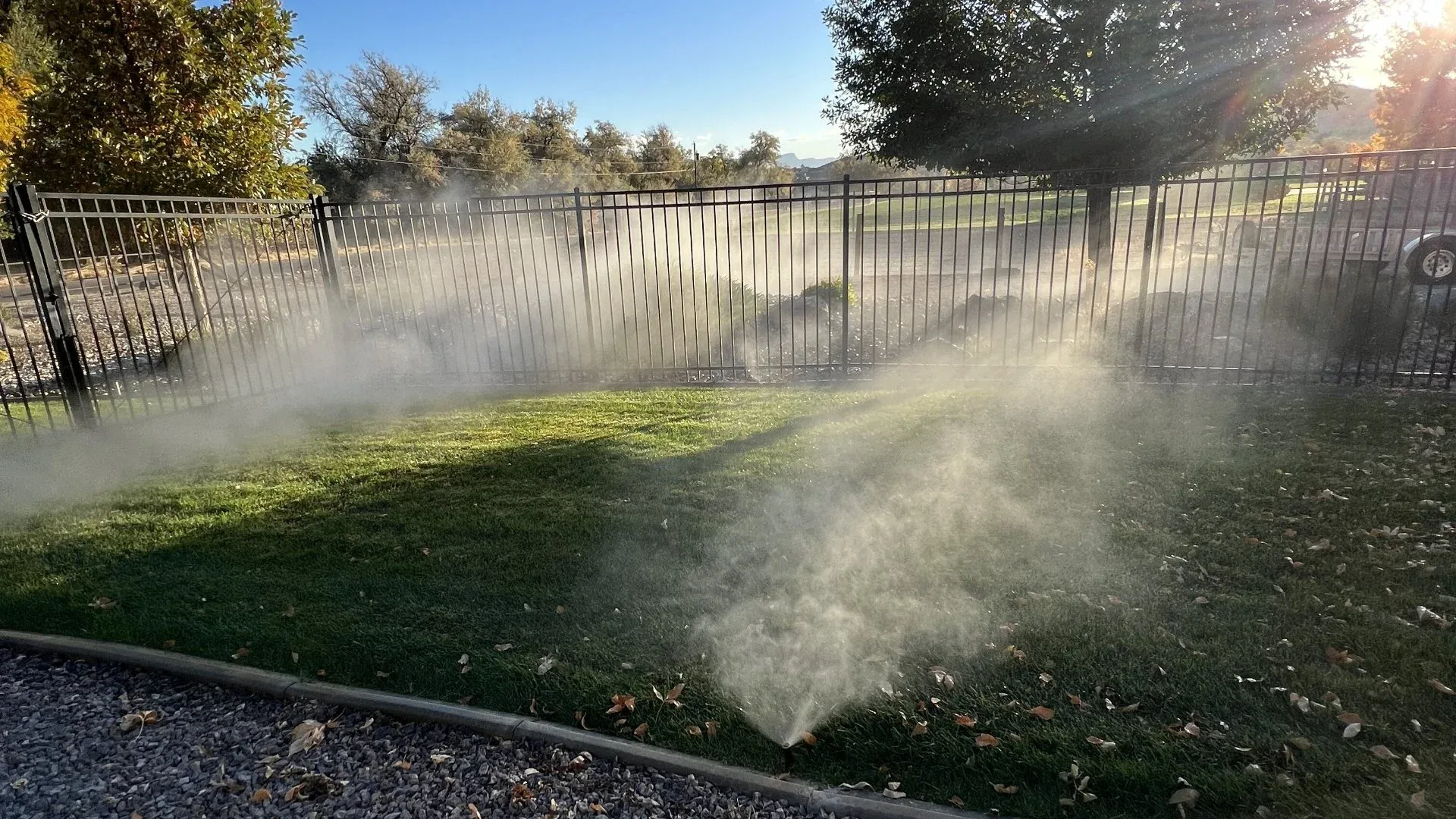
Irrigation clocks still deserve restraint in April. Nights can freeze hard many years above seven thousand feet. If you have not had a professional walkthrough yet, ask about startup timing while you read our piece on water conservation through proper irrigation practices. The goal at altitude is the same as downvalley: water reaches roots without icing valves or sheeting across walks. Our irrigation services team can align startup with soil firmness and forecast trends so you are not opening the system twice for the same repair.
Where lawn strips sit against pavement heated by sun, you may see a silvery tint on leaves while a probe still finds moisture below. That is often wind and reflected heat, not a simple call for more minutes on every zone. Note which faces south and which sit in cold air drainage so technicians can treat them as different microclimates instead of one average lot. Tie those notes to lawn care planning if traffic or dog paths already wear the same strips.
Beds, mulch, and plant health after a long winter
Mulch and beds beside foundations should stay graded away from siding. Pull winter grit off perennials before new growth softens stems. If deer browsed woody plants over winter, fence repairs belong in the same April list as plant health decisions. Our plant health care page describes how we support trees and shrubs once the ground firms up. Browse damage patterns are easier to read in April; see April deer browse on high country hedges if chew lines dominate your worry list more than drainage.
Elevation and UV climb faster than many newcomers expect. New transplants may still need frost fabric for a few nights even when days feel friendly. Ask nursery staff when you buy from our garden nursery or local suppliers. Sharpen mower blades after a gravel winter; torn leaf tips lose more water to wind than clean cuts.
Neighbors, wells, and shared water stories
If you share a well or irrigation ditch, align heavy water days so everyone avoids the same dry Tuesday. Spring is also when many mountain communities review defensible space lists. Your April yard notes can double as a safety walk if you keep photos organized. Some lots need sulfur or organic matter shifts; only soil tests and site history should drive that call, not a neighbor’s bag on sale.
If fruit trees on or near your lot are in bloom, avoid unnecessary sprays on windy days and coordinate with neighbors when possible. Professional teams already factor these windows into garden maintenance timing.
Records that make May and June calmer
Keep a paper folder or simple cloud album labeled by month. Future you will thank present you when an odd spot returns and you can scroll dated photos instead of relying on memory alone. April decisions often decide whether summer money goes to fixes or to enjoyment. Spread big purchases across weeks so irrigation repairs, edging resets, and lawn visits do not collide on the same narrow Saturday.
When melt patterns point to a bigger fix—retaining edges, swales, or bed regrading—our landscape construction and landscape design pages describe how we approach mountain lots without promising one-size drainage on every slope. Stack snow fence panels off grass so strips recover; the weight of panels kills crowns in a small footprint fast.
Late April and the handoff to startup season
As soil firms, line up irrigation startup with the same honesty you used on grade. Late April irrigation startup in the high country walks through valve boxes, frost risk, and zone-by-zone habits that protect poly at elevation. If plow piles changed grade, say so when booking visits. Grade shifts explain new wet corners better than mystery fungus fears.
April is for reading your lot honestly. Write a short list, take photos, then reach out so summer visits fix the right problems instead of repeating winter guesses. Bring gate codes, dog schedules, and any HOA letters about backflow or water restrictions when you contact us. The melt season ends quickly; the notes you take now are what make Memorial weekend and June traffic easier on the same grass.
Questions about your landscape? Contact Neils Lunceford