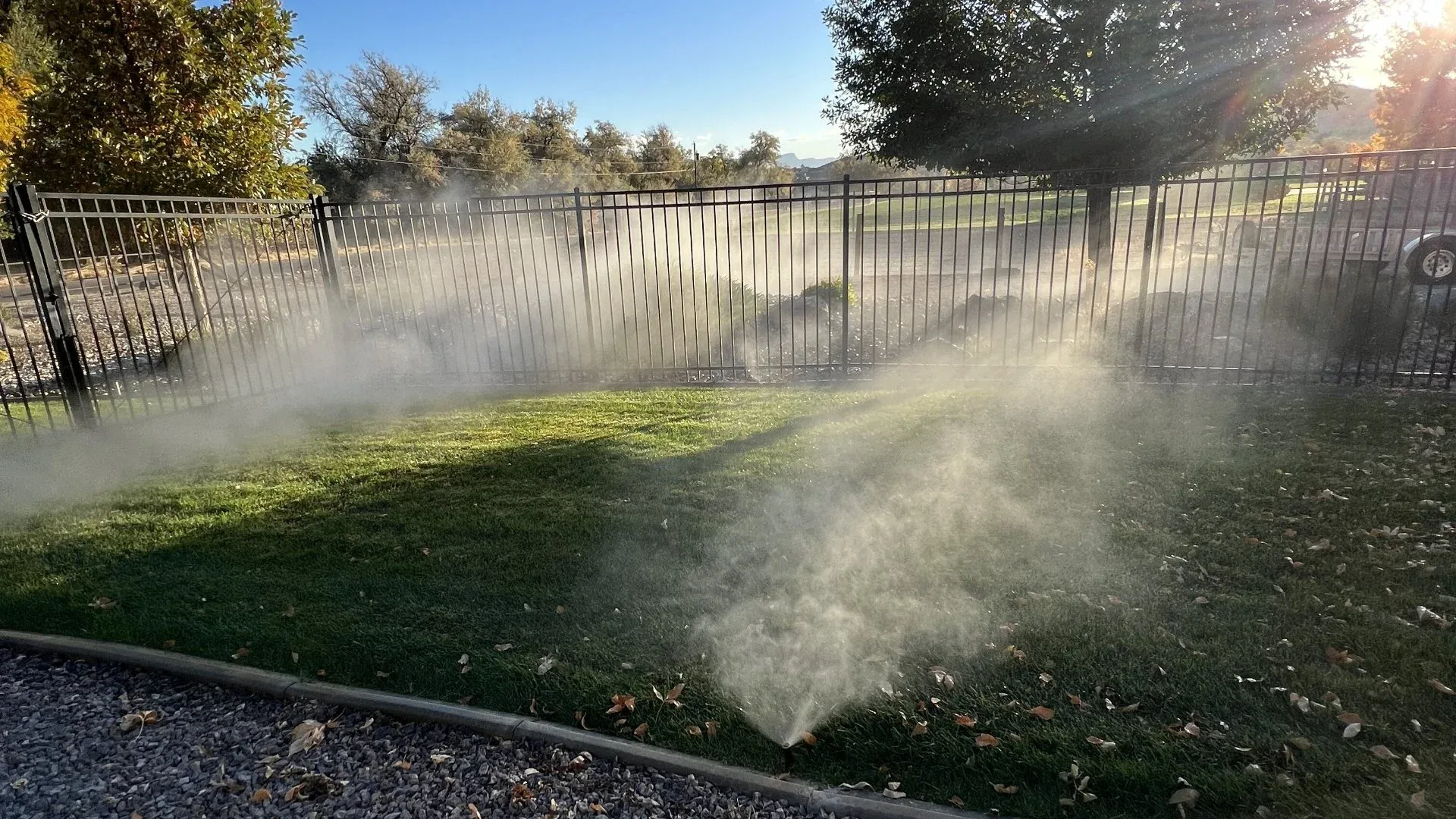
Memorial weekend feels closer than it looks on paper when you live in Breckenridge, Silverthorne, Granby, or Grand Lake. Nights can still nip while afternoons hit eighty degrees against south walls. Guests ask why one strip of grass looks tired while another looks fine—and you realize the calendar added traffic before the irrigation story finished sorting itself out.
At elevation the season is short. The same weekend that feels like celebration on the calendar can compress wear, wind, and watering mistakes into one visible strip along the driveway.
This quiz does not replace a walkthrough. It lines up how Neils Lunceford groups work across irrigation, lawn care, garden maintenance, and plant health care. For narrative context, read May memorial long weekends and elevation yards before or after you see a result.
The questions below weight what would matter most if someone parked in your driveway tomorrow morning—not what sounded urgent on a generic checklist from a lower elevation.
Why late May stacks different problems on one lot
Mountain lots rarely present one clean problem. Frost pockets on the north side can stay pale while south turf already looks like midsummer. Irrigation clocks copied from last July often overwater cold soil or underfeed hot walls. Deer browse from April may still show on hedges while turf wear from one busy weekend dominates the view from the street.
The quiz is a sort, not a diagnosis. It suggests which service lane usually deserves the first calm conversation before you spend on seed, fertilizer, or bed work that fights the wrong problem.
When two issues feel equally loud, pick the answer that matches what would embarrass you most if a neighbor walked the property tomorrow. Elevation rewards sequencing; fixing water and grade before cosmetic passes saves July redo work.
How the four lanes connect on Summit and Grand County properties
Irrigation covers coverage, pressure, schedules, backflow timing, and startup discipline above seven thousand feet. Read late April irrigation startup in the high country and water conservation through proper irrigation practices for habits that protect pipes and roots.
Lawn care fits when color, density, weeds, or traffic paths tell the story after water is roughly honest. Thin strips beside reflective walls and dog loops are microclimates—not signs your grass failed. Programs beat single heroic passes at altitude.
Garden maintenance carries the photo story when beds, ivy on brick, edging, and spring cleanup read messy before guests arrive. See garden maintenance for how visits stack with seasonal color and bed work.
Plant health care leads when several woody plants look thin or off-color without one obvious broken branch. April deer browse on high country hedges helps when chew lines dominate.
Grade, melt, and wear that change the quiz answer
If plow piles or runoff changed how water moves this year, say so when you call. April snowmelt grading notes for Summit and Grand County explain soggy corners that are not always a broken pipe.
For a second paper-style pass, try May late spring yard signal quiz for Summit and Grand County. As June approaches, read May to June handoff when frost nights still visit.
What to bring when you book after the quiz
Bring elevation, valve style, gate codes, and dated phone photos when you reach out. Mention guest weekends so irrigation, lawn, and landscape visits do not stack on the same narrow Saturday.
If design or construction might be part of the year, our landscape design and landscape construction pages describe how we sequence mountain projects.
The quiz below opens on the page when you continue. Treat the result as the first lane for a conversation—not a season-long contract.
Quick reference before you click through
- Dry wedges or misting dominate → irrigation usually leads
- Color and weeds dominate after water is honest → lawn care usually leads
- Beds and edging read messy in photos → garden maintenance usually leads
- Several woody plants look off without one broken branch → plant health care usually leads
- Mixed tallies → one walkthrough with dated photos beats four separate weekend projects
Second-home owners often arrive with lower-altitude expectations for turf color. Sharing elevation, exposure, and guest dates when you contact us keeps visits realistic for the week you actually have.
Snow removal damage to edges and valve boxes over winter is worth mentioning in the same note as Memorial parking plans—both change how water and wear show up on the same strip of grass.
Memorial week yard priority check
Four quick questions about Summit County and Grand County properties above seven thousand feet. Your answers stay in this browser. The suggestion is a conversation starter, not a site visit.
Questions about your landscape? Contact Neils Lunceford