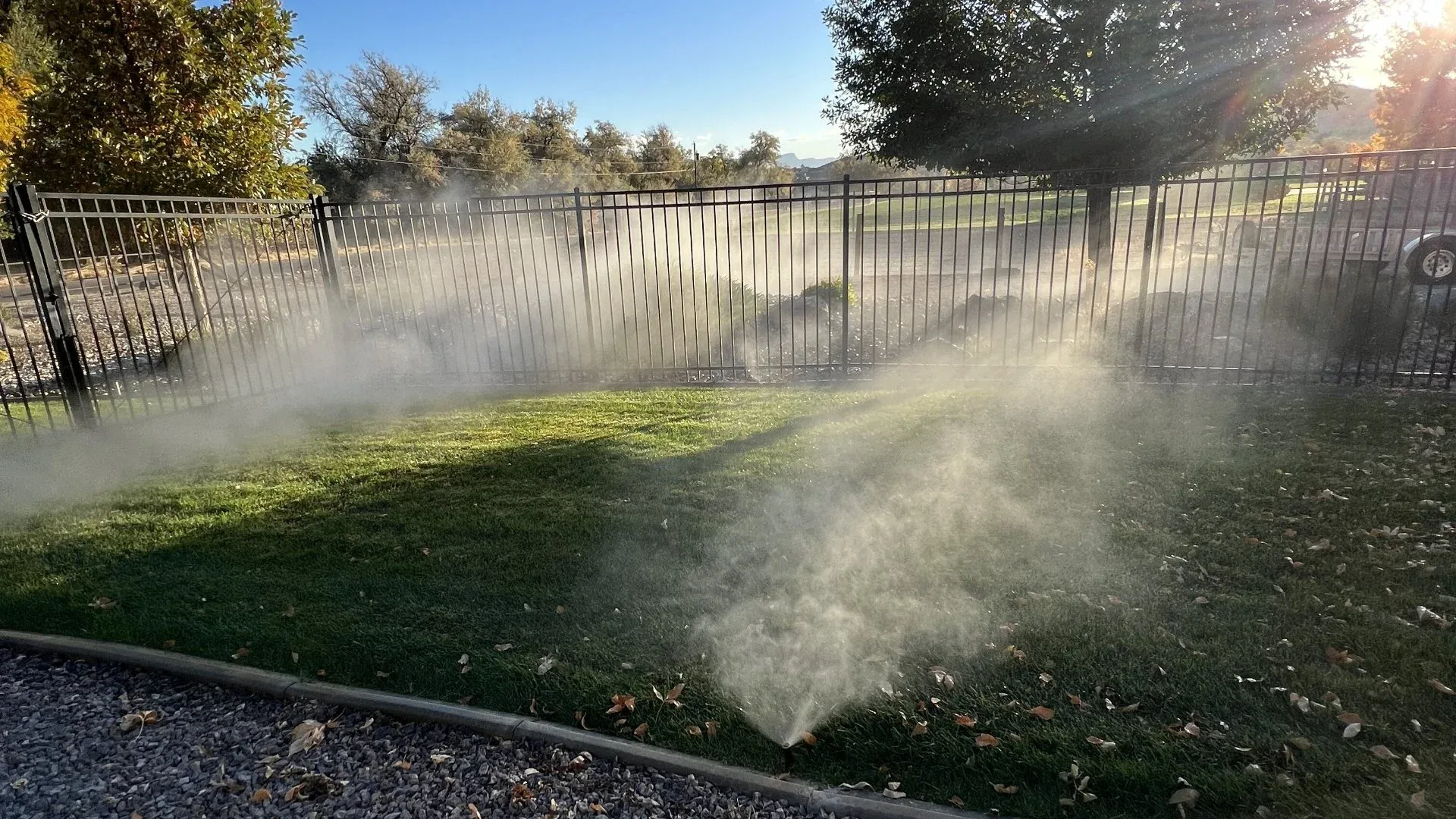
The thermometer on the deck can read like summer while soil two inches down along Dillon still behaves like spring. Late May at elevation is when daytime heat arrives early on south walls and parkways, yet frost can still nip low corners after sunset. Homeowners who copy Front Range watering charts often flood shady turf while ridge lips beside the garage stay silver through lunch.
Neils Lunceford maintains irrigation, lawn care, and garden services across Summit and Grand County. This article covers how to pace watering when heat and cold argue on the same lot, when to raise minutes, and when to fix heads before you feed dry wedges.
Pair it with May Summit County frost nights versus afternoon sun when silver strips and pale pockets share one property.
Reading soil before you adjust the controller
Footprints that stay visible on turf that looks tired often mean soil moisture or compaction—not automatically thirst at altitude. Probe shady corners and south strips the same morning.
Water conservation through proper irrigation practices still applies on Keystone and Copper Mountain: deliver weekly depth where roots can use it, fix leaks before you chase color, and resist doubling every zone because one afternoon was warm.
Walk zones at dusk after a cycle and again before sun hits south faces. Schedule irrigation services when pressure or aim fails before you stack fertilizer on dry soil.
Dog paths, guest weeks, and strips that fail in photos
Memorial traffic compresses the same loops dogs wore all spring. Traffic reveals irrigation that never matched exposure more often than it creates new problems.
May memorial long weekends and elevation yards explains wear honestly. The May memorial yard priority quiz suggests a first service lane when several issues compete.
Mention dog paths and gate lines when you contact us so lawn care targets real wear instead of treating the whole yard the same.
Mowing rhythm when heat outruns night recovery
Cool nights slow recovery even when afternoons pull hard. Raise the deck until color catches up on cold-soil corners, then adjust as roots deepen.
The week you increase irrigation minutes is not always the week to drop mowing height. Sharpen blades after a gravel winter on windy parkways toward Kremmling.
Frost memory and early heat on the same controller
Seasonal adjust exists so you are not running July minutes on soil that still cools overnight. Nudge one exposure class at a time, wait forty-eight hours, and read the south strip before you edit the next zone.
Late April irrigation startup in the high country covers what should already be verified: leaks, backflow timing, and heads at grade. May to June handoff when frost nights still visit carries pacing forward when you wonder if you are early or late on minutes.
Beds, woodies, and conflicting water habits
Stressed wood should not be soaked nightly to compensate for dry turf on the same valve. April deer browse on high country hedges pairs with late May watering so chew lines are not drowned while lawns starve.
When several woody plants look off at once, plant health care supports property-wide diagnosis. Garden maintenance can reset edges guests read in photos while turf catches up.
Voles, compaction, and misread thin spots
Surface runways and winter tunnels sometimes explain weak strips traffic later exposed. All about voles helps when damage looks like drought but soil is moist below.
Persistent soggy beds after light rain point to grade from April snowmelt grading notes—not another ten minutes on every zone.
Pulling late May watering into one calm plan
Late May at elevation rewards evidence: probe soil, walk zones at dusk, fix hydraulics before feed, and line up professional visits with morning-and-afternoon photos.
Contact Neils Lunceford with guest weekends, elevation, and valve notes. Daytime heat can arrive early while nights still cool soil—adjust minutes and mowing together instead of reacting from memory of a lower-altitude lawn.
Questions about your landscape? Contact Neils Lunceford