Every mountain lot has a gate path story. It is the strip where delivery drivers cut the corner, where guests drag luggage, where dogs pace while someone finds the key code, and where turnover cleaners wheel bins toward the garage. Above seven thousand feet that traffic lands on turf with fewer recovery days than downvalley charts assume. Compaction along the entry line is not a moral failure. It is physics meeting a short season. Neils Lunceford sees the same wedge thin out on Frisco townhomes, Silverthorne duplexes, and Granby family homes because the gate path is the most honest photograph of how a property is actually used.
Why the gate line fails before the parkway average
Grass crowns need air in the root zone. Repeated foot traffic before spring rooting finishes squeezes pore space so water runs off instead of soaking in. Irrigation can look generous on paper while the gate strip stays silver because compacted soil refuses intake. South facing gate arcs add reflected heat from driveway pavement, which speeds surface drying on the same soil that already struggles to accept water.
Compare the gate wedge to a shady parkway corner on the same morning. If both look tired but only the gate path holds footprints after you walk across it, compaction is leading the story. If the whole yard looks pale, start with coverage and schedule through irrigation before you aerate a symptom that irrigation never reached. Water conservation through proper irrigation practices still applies when you are trying to deliver depth where roots can use it without flooding compacted clay that will not drink.
Reading wear with photos instead of memory
Take a photo of the gate path at dawn and another before afternoon heat hits the driveway. Silver color by lunch with moist soil below in the shade corner points to exposure and minutes, not automatically more seed. Dry soil in both places after a normal cycle points to hydraulics or compaction, sometimes both.
Mention the gate line when you contact us for lawn care. Generic full yard programs miss the strip guests see first. If several problems shouted at once, the outdoor season readiness quiz for Summit and Grand County suggests a first service lane before you stack products on the wrong story.
Aeration timing and realistic expectations at altitude
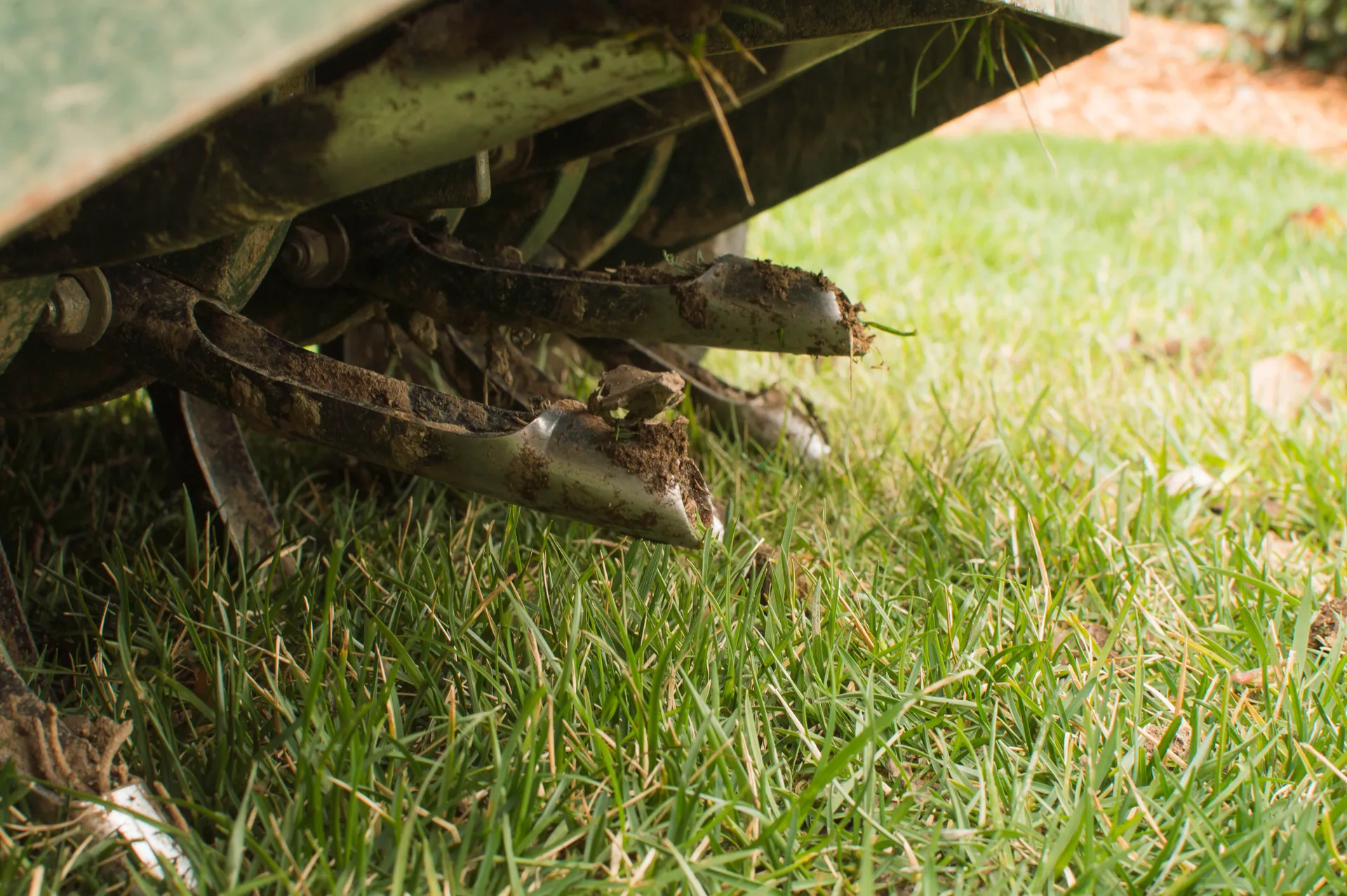
Core aeration relieves compaction when grass is actively growing and soil moisture is workable. Too early on cold soil buys holes that heal slowly. Too late after peak guest weeks means traffic keeps winning before crowns recover. Pair aeration conversations with how you actually use the gate from now until snow.
Sharpen mower blades after gravel winter. Torn tips lose more water to wind on exposed gate strips than clean cuts along protected parkways. Raise the deck on pale gate wedges until color catches up. Mowing too low on stressed crowns removes leaf area that shields against wind toward Dillon and Breckenridge passes where afternoon gusts are routine.
Hardscape hints that protect the gate story
Sometimes the honest fix is not more fertilizer but a few feet of stone or a defined walk from driveway to entry. Guests will take the shortest line unless visual cues redirect them. Our landscape design and landscape construction teams approach those nudges with mountain slopes and HOA sight lines in mind, not a flat valley sidewalk copied from a catalog.
If water pools along the gate after ordinary rain, grade may be sending flow across the same strip everyone compresses. snowmelt grading notes for Summit and Grand County help separate drainage from irrigation mistakes when soggy corners return after light showers.
Dogs, delivery rhythm, and the same corner every week
Dogs pace gate corners while waiting for walks. Delivery trucks stop on the parkway edge with engines running while drivers cross the lawn. Turnover cleaners follow the same diagonal every changeover day. Rotating play space and asking drivers to use walk boards during wet weeks gives turf a fair interval between compressions.
Rental turnover amplifies gate wear even when the property sat quiet between guest stretches. Read rental turnover and guest calendars on elevation yards when luggage paths and furniture drags match the thin strip you see in listing photos.
Irrigation fixes that unlock gate recovery
Misting heads that throw toward the entry walk waste water and ice pavement overnight when temperatures drop after hot afternoons. Weak rotation on a corner head leaves a dry triangle exactly where traffic concentrates. Walk zones at dusk after a cycle and note whether spray actually reaches the gate wedge or only the parkway average.
irrigation startup in the high country governs what should already be verified before you blame compaction alone. If startup was skipped, early summer is still the honest window before peak traffic makes repair twice as visible.
Voles, winter tunnels, and gate paths that looked fine in spring
Surface runways and winter tunnels sometimes explain weak strips foot traffic later exposed. All about voles helps when damage looks like drought but soil is moist below the gate line. Compaction and rodent damage can overlap on the same wedge. Photos across weeks clarify which story leads.
When several woody plants along the entry look off at once, tie questions to plant health care and deer browse on high country hedges before gate path repair focuses only on turf. Privacy plantings frame the same photos guests see when grass is still catching up.
Beds, pots, and what people notice before mower lines
Guests notice bed edges and chew marks before they compliment striping. Garden maintenance carries the photo story when ivy on brick and spring cleanup read messy beside a tired gate wedge. Ask how bed visits can align with head clearance so mulch depth and spray arcs do not fight the same week you aerate.
Custom flower pots and our garden nursery lift entry color while gate turf recovers. Portable impact helps when compaction repair needs weeks and guest photos need something green now.
Records, programs, and booking before peak weeks
Keep dated photos of the gate path in a simple album. They beat memory when the wedge returns midseason on a Keystone ridge lot or a Parshall meadow property where irrigation and wear tell different stories on the same rectangle.
Spread aeration, irrigation checks, and feeding across weeks so they do not collide on the only Saturday before guests arrive. Bring elevation, dog habits, delivery notes, and gate codes when you contact Neils Lunceford. Gate path wear at elevation rewards honesty about traffic before cosmetic rescue. Fix water and grade where they fail, relieve compaction where footprints lie, then build color with programs that respect how people actually enter your property. That order protects the short season above seven thousand feet without fighting the path everyone was always going to take.
Questions about your landscape? Contact Neils Lunceford