Spring startup and fall winterization feel like opposite seasons. On a mountain property they are the same system seen twice. When valve locations, zone intent, and weak heads live in two different notebooks, blowout misses what startup just repaired.
Neils Lunceford maintains irrigation across Summit County and Grand County properties where freeze risk, short seasons, and rental calendars compress both visits. One shared system record keeps both crews working from the same map.
Build the record once, use it twice
The property file should show the controller location, password or access notes, main shutoff, backflow, valve boxes, zone map, and which zones serve lawn, beds, trees, or pots. Add photos of buried boxes after snow melts and before mulch hides them again.
Write what each zone is supposed to do in plain language. “South lawn by garage,” “aspen grove drip,” and “entry pots” beat “Zone 4” when a different technician returns in October.
Startup should leave notes winterization can read
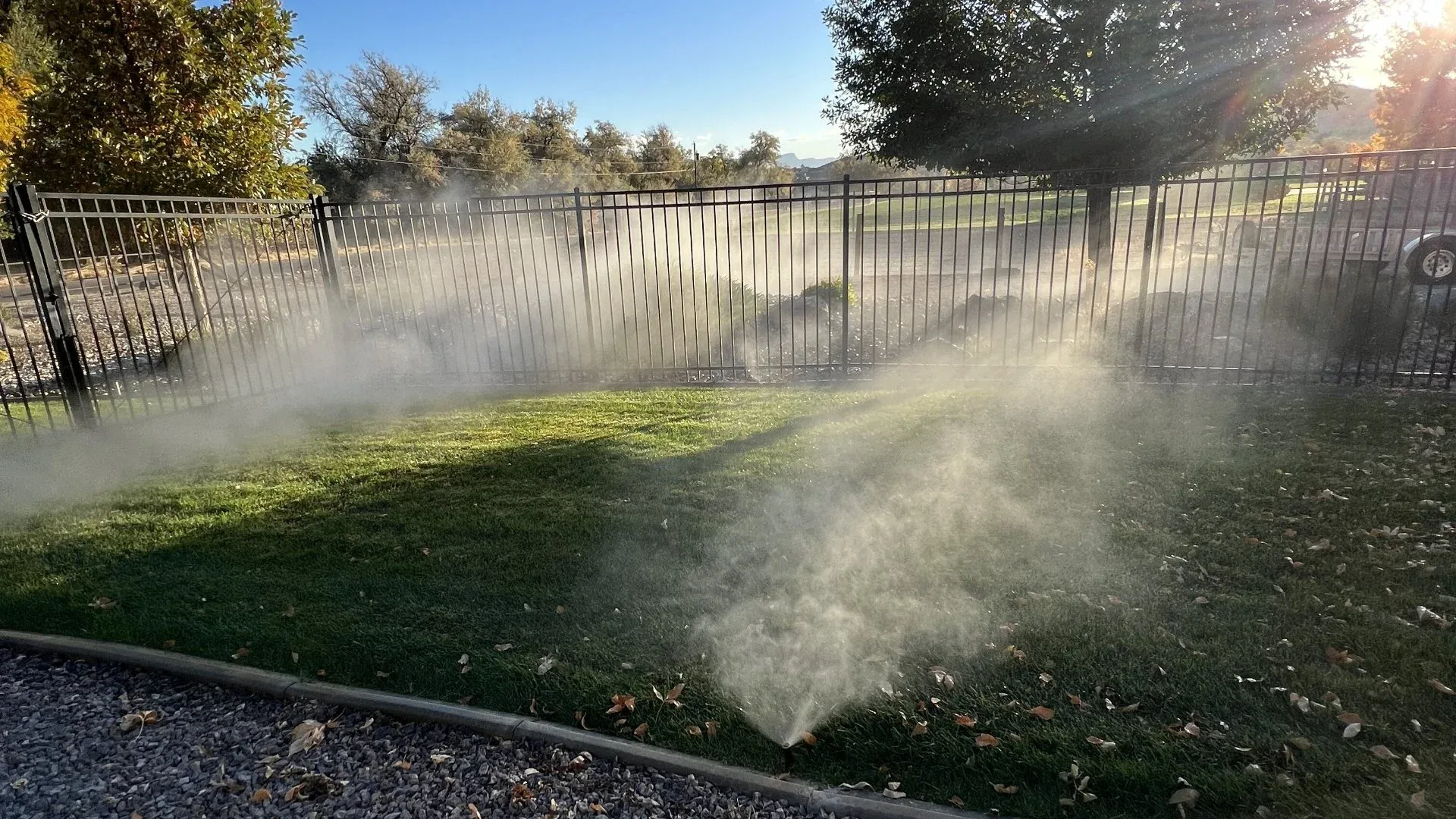
During spring startup, record heads that mist, zones that create runoff, valves that chatter, and areas still waiting on plantings. Those notes belong in the same file the blowout crew will open. A head adjusted in May should not become a mystery geyser after the first warm week next year because nobody wrote the change down.
If you are still shaping early-season habits, pair this with our late April irrigation startup guide. Startup is not only pressurizing pipes. It is confirming the map still matches the yard after winter heave and plow damage.
Winterization should protect the same map
Blowout is not a generic compressor visit. The technician needs to know which zones exist, which drips are delicate, and which boxes sit under snow storage. Mark plow berms and sand piles that bury valve boxes every winter in Breckenridge and Granby areas.
Note backflow protection, main shutoff ownership, and whether a vacant rental will have heat and power when freeze nights arrive. Landscape maintenance and snow plans should not treat irrigation hardware as invisible.
Trees and lawns need different line items on the same page
A large tree on drip and a Kentucky bluegrass lawn on rotors share a controller but not a watering logic. Keep plant type beside zone numbers so spring minute changes do not undo a tree establishment plan. Our article on planting a large tree at elevation depends on that same written water plan.
Bed renovations and new plant health care work should update the irrigation record the week they finish. Waiting until the next season is how new plants sit on a zone still tuned for bare soil.
Rental and travel calendars belong in the file
Owners who leave after ski season or return only for summer weeks need sitters and property managers to see the same zone notes. Write who may change the controller, who checks after storms, and who to call when a zone will not shut off.
Frisco and Silverthorne rentals often stack turnovers on the same weekends crews want access. Put preferred service windows in the record so startup and blowout are not scheduled against guest arrivals.
Controllers, passwords, and vacant weeks
Mountain properties often change controllers after lightning, renovations, or new smart devices. Update the record whenever hardware changes. Include Wi-Fi dependencies if the controller needs network access, and note whether a vacant house still has power during shoulder seasons.
If a sitter can only water by hose, write which hose bibs feed which new trees so blowout season does not assume every plant is on a zone.
Freeze risk windows need dates, not guesses
Startup too early wastes water on frozen mornings. Blowout too late risks cracked lines. Use local elevation and the property’s sun exposure, not a Front Range calendar copied from Denver. Put target windows in the shared record and adjust only with a dated note.
Pair irrigation timing with lawn care height and traffic plans when rental guests compress the same weeks. Wet turf plus heavy foot traffic creates ruts that look like irrigation failures later.
Drip, rotors, and pots on one map
Entry pots, hanging baskets, and drip rings fail differently than lawn rotors. Label them so spring startup does not run a delicate drip zone at lawn pressure after someone swapped a nozzle. Fall blowout should list fragile drip first when the crew is short on daylight.
If plant health work changes water needs midseason, update minutes in the same file the week of the visit. Waiting until winterization is how new beds dry out in August while Zone 2 still floods.
Who holds the paper
Boards, house managers, and owners trade roles. Put the irrigation PDF or printed map in a known property folder and in whatever digital system the current manager uses. Name the file with the address and the year so “final” versions do not multiply. When a new person takes over in October, they should find startup notes from May without calling last season’s caretaker.
What a good closeout includes
After either visit, save date, technician notes, zones adjusted, parts replaced, photos of valve boxes, and the next recommended review. Keep it with the property, not in one personal inbox.
Contact Neils Lunceford when you want spring startup and fall winterization tied to one irrigation map instead of two disconnected seasonal visits.
Questions about your landscape? Contact Neils Lunceford