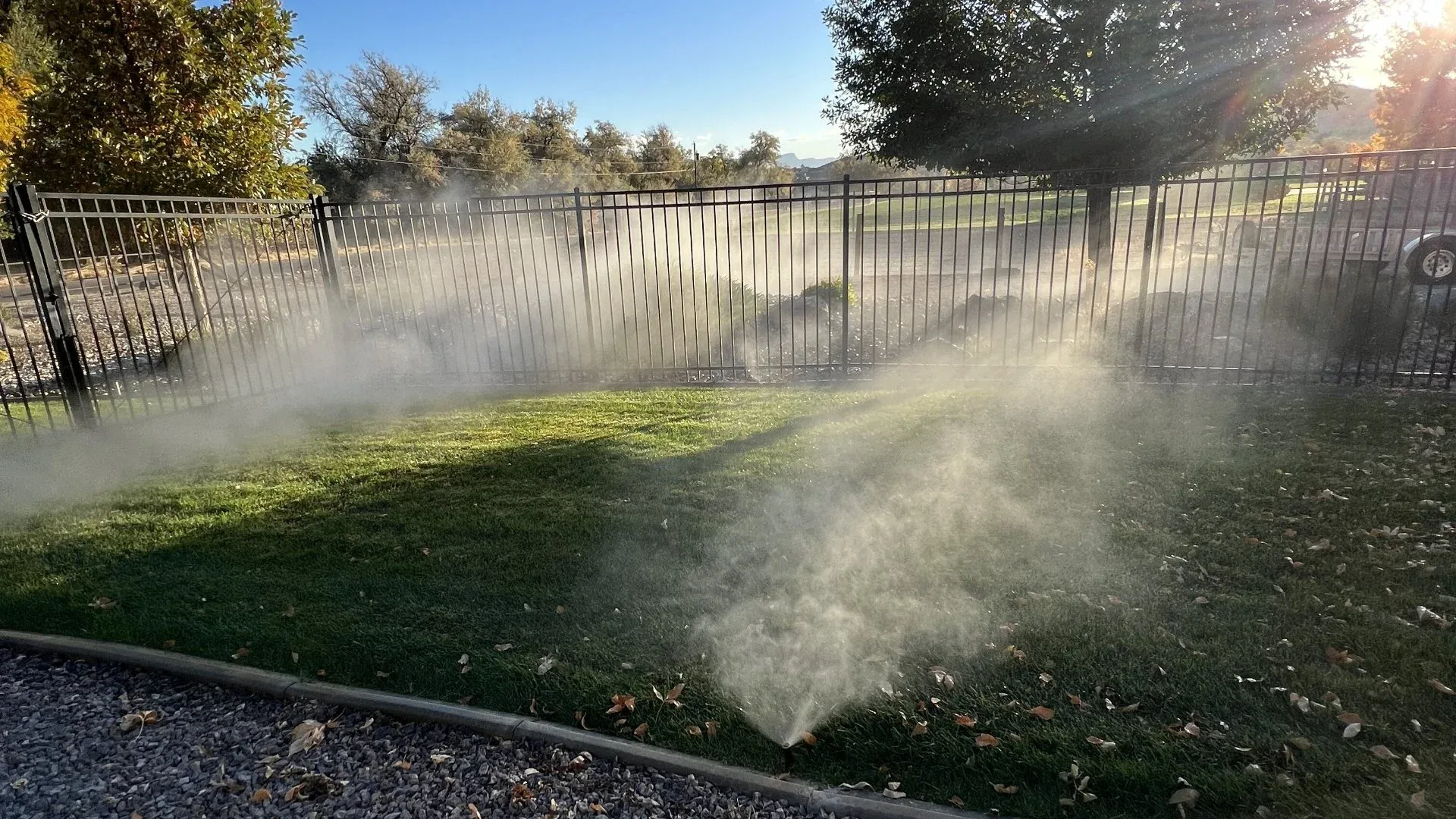
Water saving irrigation is not only about buying new equipment. Much of the water lost on residential and commercial landscapes never reaches plant roots because of schedule mistakes, leaks, pressure problems, or heads watering pavement. In the high country, where the growing season is short and UV is intense, efficient irrigation supports healthy plantings and respects limited supplies.
This overview focuses on practices that fit most sites in Summit County and Grand County. Your soil, exposure, and plant mix will always require small adjustments.
Know your soil and root depth
Sandy soils drain quickly and may need shorter, more frequent cycles. Clay-heavy pockets hold moisture longer and are easy to overwater. Before you change a schedule, dig or probe a few inches after a normal cycle to see whether water sits near the surface or reaches the root zone you expect. Trees and established shrubs need deeper, less frequent watering than shallow annual beds.
Fix leaks and misaligned heads
A single cracked lateral line or a head spraying onto a driveway can waste hundreds of gallons per week during peak season. Walk the zone while it runs at least once each spring. Look for geysers, misting (often a sign of pressure or filter issues), and heads blocked by plant growth. Straighten tilted spray heads and clear debris from around rotors.
Group plants by water need
Mixed zones that combine thirsty annuals with dry-loving natives force a compromise schedule that usually overwater one group or underwater another. Where renovation is possible, group high, medium, and low water use plants into separate valves. That change alone often delivers the biggest water saving irrigation gain for the dollar.
Schedule with the weather, not the calendar
Cool, cloudy stretches slow evaporation. Hot, windy days after a cold spell can stress plants quickly at elevation. Adjust run times seasonally instead of leaving the same minutes from June through August. Many controllers support seasonal adjust percent values; use them when you do not have soil moisture sensors.
Avoid daily light spritzing on turf and many perennials. Healthier roots generally come from deeper, less frequent cycles that match soil intake rates.
Mulch and maintenance
Organic mulch reduces surface evaporation and keeps soil temperatures steadier. Maintain two to four inches where appropriate, kept back from trunks. In beds, mulch complements irrigation by giving each gallon more time to benefit roots.
Smart controllers and sensors
Weather-based or soil-moisture-driven controllers can help when they are installed correctly and reviewed regularly. A smart controller that is never checked can still waste water if a flow sensor is ignored or a zone mapping is wrong. Treat technology as a tool, not a replacement for observation.
Winterization matters
Proper fall blowout protects pipes from freeze damage. Spring startup with a slow pressurization and zone-by-zone check catches cracks early. Leaks that start underground may not show until a soggy spot appears, so note unusual wet areas or sudden pressure drops.
Professional support
Our irrigation team installs, audits, and repairs systems for mountain properties. We can help align heads, suggest schedule starting points, and coordinate with your overall landscape plan. For water provider rebates or restrictions, follow your local district rules; they change from year to year.
Thoughtful scheduling, quick leak repair, and honest grouping of plant needs deliver water saving irrigation results without promising unrealistic percentage savings on every property.
Questions about your landscape? Contact Neils Lunceford