Bronze lower faces and stripped bark at the mulch line on boxwood in Keystone and Breckenridge split into two folders fast. Vole damage shows angled tooth marks and runs under mulch. Boxwood decline from root stress or salt often starts higher and may involve entire sides of the plant.
Neils Lunceford reads plant health care calls with a flashlight at the base before anyone orders replacements. Winter snow depth, dog paths, and dripline ice matter on the same Grand County lots.
Photograph the south face after melt, the mulch collar, and any tunnel openings before you prune for shape alone.
Vole patterns at the crown line
Voles work at night under snow and mulch. Clean bark removal in a band between soil and the first green leaves often means chewing, not fungal dieback.
Runs that start at ornamental grass clumps or unmoved leaf piles are common on Silverthorne townhomes where snow sat on beds through March.
Tooth marks are small and paired. If the wood looks ripped or shredded, suspect mechanical damage from a plow edge or string trimmer before you assign voles.
Elevation, wind, and short seasons change how this pattern shows up on your lot; document exposure and timing before you lock a fix. Neils Lunceford serves Breckenridge, Silverthorne, Frisco, Granby, and Grand Lake with integrated landscape maintenance, irrigation, and design on the same mountain properties.
Boxwood decline signals that start above the base
Decline may show yellowed interior leaves, sparse new growth on one side, or whole-branch death without a mulch band pattern. Root zones buried by years of volcano mulch can suffocate before voles arrive.
Road salt splash on lower branches along Granby entries can bronze faces without tunneling. Compare street side to courtyard side on the same plant.
Phytophthora risk rises where drainage holds against foundations on clay pockets. That pattern may spread slowly up the shrub, not only at the collar.
Elevation, wind, and short seasons change how this pattern shows up on your lot; document exposure and timing before you lock a fix. Neils Lunceford serves Breckenridge, Silverthorne, Frisco, Granby, and Grand Lake with integrated landscape maintenance, irrigation, and design on the same mountain properties.
Mulch depth and snow load as partners
Deep mulch against stems holds moisture and hides runs. Snow piled from walks onto hedge rows compresses mulch and gives voles cover through melt weeks.
Our snow removal crews see the same beds every storm. Where piles land should match where maintenance resets mulch in spring.
Pull mulch back two to three inches from boxwood stems after breakup. Note whether bark looks sun scalded on south exposures before you blame rodents.
Elevation, wind, and short seasons change how this pattern shows up on your lot; document exposure and timing before you lock a fix. Neils Lunceford serves Breckenridge, Silverthorne, Frisco, Granby, and Grand Lake with integrated landscape maintenance, irrigation, and design on the same mountain properties.
Soil moisture and irrigation overlap
Irrigated foundation beds can stay damp into October on retirement community lots. That softness helps voles but also weakens roots if spray hits stems nightly.
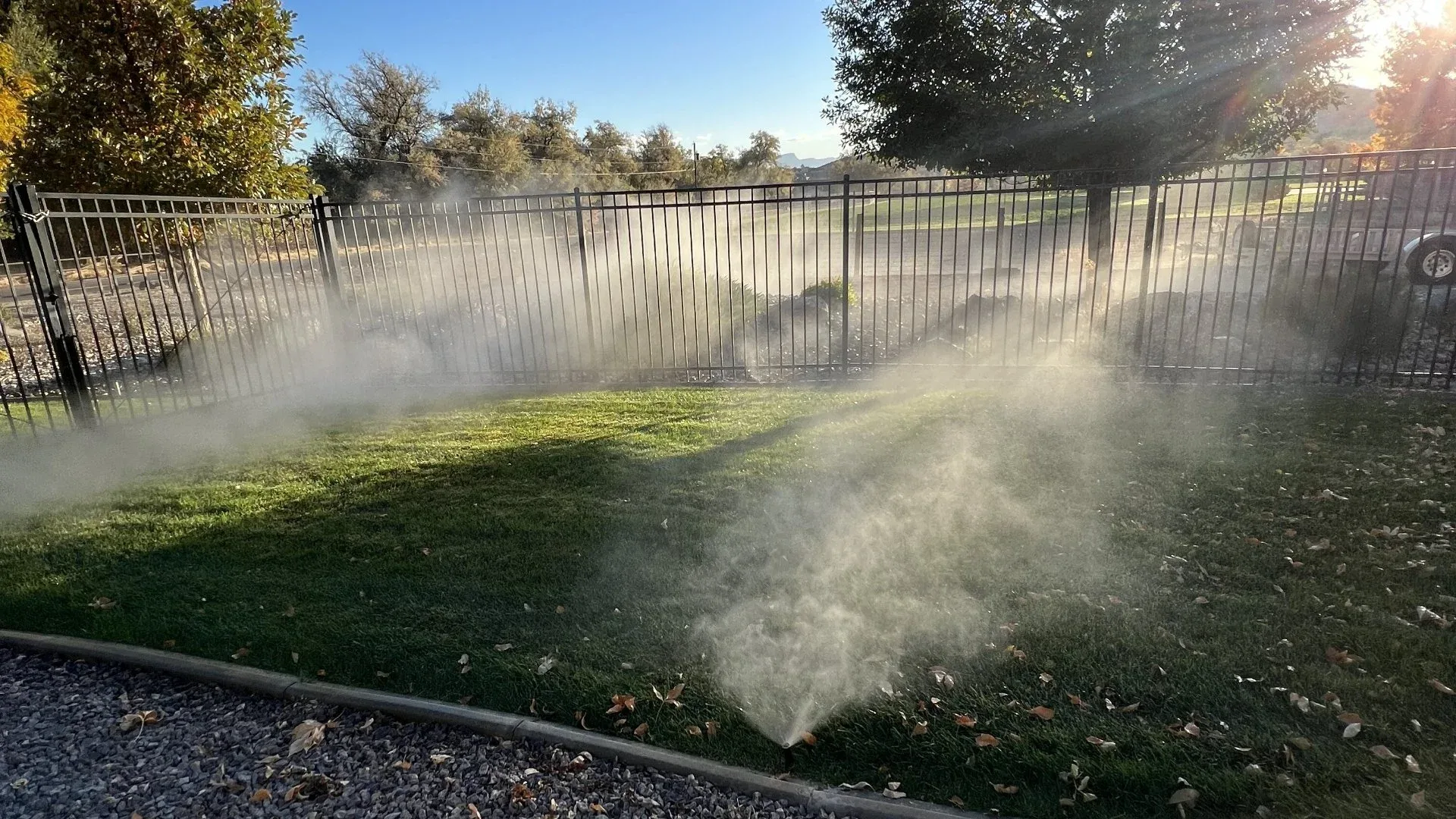
Run the affected zone at midday once and watch whether heads throw against the hedge face. Fix arc before you treat the plant for decline.
More notes on coverage sit on the blog; pair this article with irrigation walk pieces when the same bed browns on the bottom only.
When replacement versus repair makes sense
Single-stem plants with girdling at the base may not recover even after vole pressure drops. Multi-stem clumps with partial chewing sometimes fill from interior buds after fence and mulch fixes.
plant health care treatment targets scale and leaf miner on boxwood, not vole repair. Naming the agent prevents wasted sprays on healthy upper foliage.
Document tunnels for one week after traps or habitat fixes. No new chewing is the metric before fall pruning reshapes the outline.
What to send on a base-damage call
Town, exposure, mulch depth, snow pile history, and whether irrigation wets the face. Phone 970-468-0340 or contact us with those photos.
Leave pruning tools in the truck until the base story is clear. Cutting for shape hides evidence crews need on elevation properties.
Neils Lunceford serves Summit and Grand counties with maintenance, plant health care, and landscape design on the same mountain sites where boxwood edges meet plow lines.
- Disclaimer: This article is for general informational purposes only. It is not professional advice, a quote, or a service agreement. Conditions at your home or property may differ; contact a qualified professional for an on-site evaluation before making repair, safety, or spending decisions.
Questions about your landscape? Contact Neils Lunceford